
Siste utlagte, del 29.
(Iron%20ore)%20(1).jpg)
.jpg)
.jpg)
%20(1).jpg)
%20(2).jpg)
%20(1).png)
%20(1).jpg)
%20(1).jpg)
%20(1).jpg)
%20(1).jpg)
%20(4).png)
---
---
---
---
---
---
Ref:
Rendalsnytt.
Omtale av "Det Unike dokument".
Se nederst på vedlagte dokument.
BIRKEBEINERKONGEN.
UNDRES PÅ HVA SOM STO PÅ MENYEN DA DEN BLIVENDE KONG SVERRE SIGURDSON (1177 - 1202) MED FØLGE VAR PÅ JULEBORD I RENDALEN I 1173.
DET VAR NEPPE VEGETARKOST.
DET UNIKE DOKUMENT FRA HØYE.
17260224 Det unike dokument (3).pdf (2467373)
17280723 Det Unike dokument Søndre Høye (2) (3).pdf (1009770)
---
---
---
---
---
---
TAKK.
Takk til Riksarkivet, ved Tor Weidling som i sin tid fremskaffet "gamle dommer", la eldre kart på disk(cd),osv, og forøvrig for meget god hjelp.
Takk til Statsarkivet(hamar), ved Inger Karin Martinsen, for god hjelp med oversettelse av dokumenter gjennom mange år.
Takk for utleveringen(uoppfordret), av kirkebygselen (komplett) gjennom århundrene, likeså legatene(komplett) til Haagen Olsen Høye, mm.
Dette var dokumenter som angikk min familie,og som jeg "den tid" ikke viste noe om.
En fantastisk jobb ble gjort.
Takk til Sykehus Innlandet for utlevering av "De store vitenskapelige undersøkelser" Psychosis and suicide in a rural community".
Norges bidrag til "Acta Psychiatrica Scandinavia".
Takk til hovedgårder i Rendalen for tilgang til private arkiver.
Fantastiske arkiver, stor ryddighet og fortsatt mye igjen som bør gjenomgåes.
Vil også takke andre som har bidratt på sin måte, sykehusene, for samtaler med leger, genetikere,mm.
En spesiell takk til forsker Jon Erik Andersen(Tynset sykehus),for kopiering av boka "Gammelt Skyldfolk i Østerdalene".
Dette er mange år siden nå, og var min første befatning med denne.
Takk også til privatpersoner, som har bidratt med meget viktige dokumenter.
Svein Arne Høye.
---
---
---
---
---
---
GENEALOGI:
Kilde:
Norsk slektshistorisk forening.
Facebook / aviser.
KJENTE SLEKTER FRA RENDALEN.
Etternavn som Borgen - Jagland - Giske, er også slekter som er godt kjent i rendalens historie (nyere slekter i Rendalen i historisk sammenheng).
MILLEHAUGEN (et gammelt bruk).
Millehaugen(Undset,et bruk) er også lokalt, et godt kjent sted, med sin historie, med navn og utflyttede slekter fra Rendalen.
Svaret mange lurer på er: Sjekk bestefar.
GIFTMORDET:
Peder Pedersen Marken(giftmordet),datteren vokste opp på Oppistu Undset, stor etterslekt(se kirkebøker).
Les om "Giftmordet" og "Øksemordet" mm i arkivet.
NYERE TID.
Ikke innsyn (Jvf, lovverk).
Flere godt kjente saker i små lokalsamfunn.
Ord som: Skutt - Slått i hjel og oppbrent,mm, er som forskerne vet brukt.
-
Ref:
Ki.
SLEKTEN JAGLAND.
Slekten "Jagland" stammer opprinnelig fra Øvre Rendal(Undset) i Hedmark.
Den mest kjente personen med denne slektstilknytningen er tidligere Statsminister og AP leder Thorbjørn Jagland (født 1950).
HER ER HOVEDPUNKTENE OM JAGLAND SLEKTEN FRA RENDALEN.
OPPRINNELSE:
Farfaren til Thorbjørn Jagland, Hansteen Oskar Johansen ( 1897 - 1966 ), kom fra Øvre Rendal(Undset).
NAVNEBYTTE:
Familien het opprinnelig Johansen, men Hansteen Oskar Johansen fikk i 1957 innvilget å skifte etternavn til Jagland.
OPPHAV TIL NAVNET:
Jagland er et nykonstruert etternavn som ble valgt i 1950 årene. Det stammer fra en bok med forslag til nye slektsnavn .
"2000 nye slektsnavn" av Astrid Moss (1947) som var populær blandt arbeiderklassen for å skape unike navn med et "gårdsnavn preg".
Min merknad:
Bureisersamfunnene på Undset i Rendalen.
Slekt,i disse bureisersamfunnene.
---
---
---
Min utheving.
Hva dokumentene viser.
MRK.
KAMPEN OM GRUNNEIENDOMSRETTEN GJENNOM ÅRHUNDRENE.
Bygselen som ble avskaffet (ikke betalt).
Kampen sto mellom opprinnelsen(prestegårdene - hovedgårdene) og brukene - bureisersamfunnene(etter 1900).
Gamle etablerte ætter / slekter ----- nyere slekter.
---
---
---
RENDALSDATABASEN.
DET BLE OPPRETTET NYE IDENTITETER FOR 14687 AVDØDE RENDØLER.
Rendalsdatabasen. (1) (1) (1) (1).pdf (568588)
---
---
---
Mrk.
FOKUS.
UNDSET.
070_Bilde_ned_på_Hougen (Haugen)[1] (2).jpg (1104564)
![070_Bilde_ned_på_Hougen (Haugen)[1] (2).jpg (1104564)](https://b94d03e947.clvaw-cdnwnd.com/2455109e9d31f1e73e53af5369aceb9a/200105622-3eb0b3eb0d/070_Bilde_ned_p%C3%A5_Hougen%20(Haugen)%5B1%5D%20(2).jpg)
Se egen side "under Kategorier": Hougen (Haugen)
Har laget stikkordliste.
---
---
---
---
DNA OG GENEALOGI.
Se arkiv.
Legger her ut litt mer info om meg selv: Avskrift: My Heritage.
Svein Arne Høye.
FORHISTORISK OPPRINNELSE:
GERMANSK (100 - 630 e.Kr).
49,6%.
Germansk(700 - 1000 e.Kr.)
30,8%.
ROMERSK GALLIA (130 - 500 e. Kr.).
27%.
VOLGA (200 - 400 e. Kr).
9,6%.
PIKT (300 - 500 e.Kr).
6,2%.
BALTISK (260 - 540 e. Kr).
6%.
BALTISK(900 -1050 e.Kr)
15,2%
INSULÆR KELT (100 - 1000 e.Kr).
19,0%
SAMISK (300 - 800 e.Kr).
6,4%.
IBERISK (300 -1200 e.Kr).
3,2%.
PAPUANSK (400 -200 f. Kr).
0,6%.
FRANKRIKE (130 - 1400 e. Kr)
24,8%.
---
---
---
Ref
Glomdalsmuseet.
Elverum.
SELVE SYMBOLET PÅ ØSTERDALEN.
Barfrøstua fra Bjønngarn(Søndre Bjøntegaard) i Øvre Rendal var det første huset som ble flyttet til Glomdalsmuseet .
Den ble ansett som selve symbolet på Østerdalen og Glomdalsmuseet, og ble benyttet som museets logo i lang tid.
Byggeskikk fra middelalderen.
Se også "Loftet fra Høye".
Les mer: Glomdalsmuseet.no
Se forøvrig arkiv:
Rendalens eldste hus i dag(bilder,mm).
Søndre Bjøntegaard: 1520 (Bjønngarn).
---
---
---
---
---
EN MEGET EFFEKTIV METODE.
Hvordan få et helt bygdesamfunn til og tie.
Svaret har vi.
---
---
---
---
---
Beklager, denne filen fungerte ikke, så jeg legger ut på ny.
RYDNINGSPLASSEN ENGERDALEN (RENDALEN)
17280724 Kongeskjøtet Engerdalen (1).pdf (1628552)
Mrk: Engerdal ble egen kommne i 1911, gikk ut fra Rendalen,m/fl.
Mrk: Folldal kommune ble dannet i 1914.
Ref : Avisen Østlendingen.
Mandag 3 mars 2014.
FOLLDAL:
SLIK BLE DE EGEN KOMMUNE.
20140303 Ordførere spilte poker om Fjellområdene. Alvdal og Folldal.pdf (2586630)
Ordfører Alvdal: Per Hoel.
Ordfører Folldal: Gurin Edvard Hoel.
---
---
---
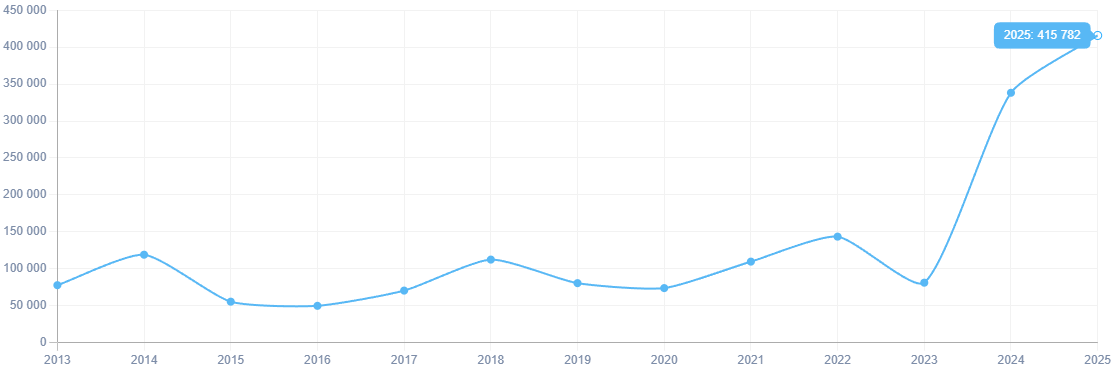
NETTSTEDSTATISTIKK.
BRUKERE.
Nettstedstatistikk mars 2026.png (40302)
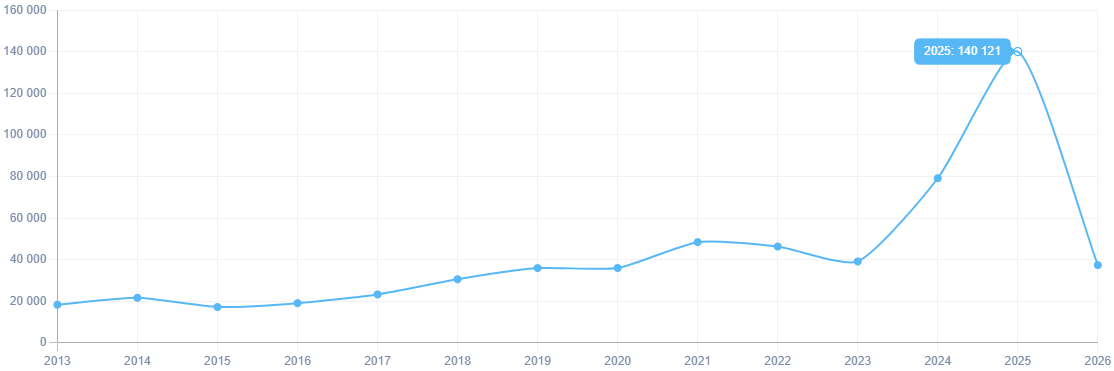
SIDEVISNINGER.
Nettstedstatistikk mars 2026 sidevisninger.png (42885)
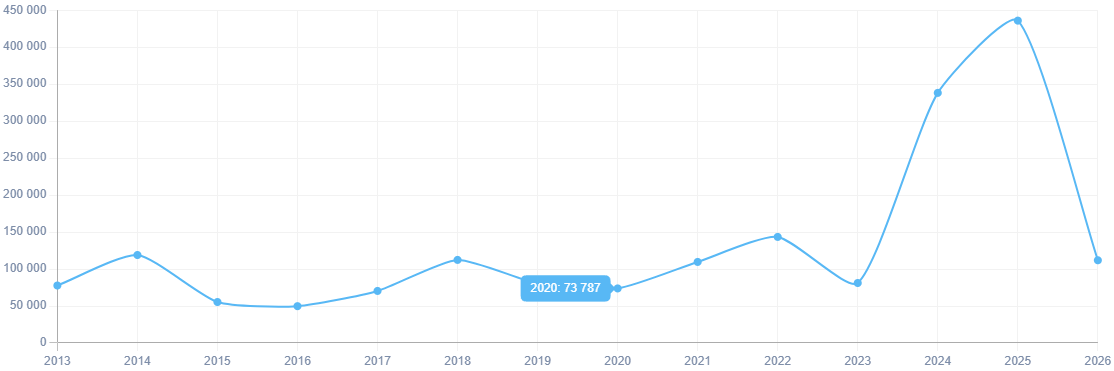
---
---
---
Ref Ai.
SKOGSARBEIDERKULTUREN.
Før og etter krigen var det en tydelig klassedelt kultur i Rendalen.
Skogsarbeiderne levde under harde kår, og mange fant fellesskap i den radikale delen av arbeiderbevegelsen. Dette ga NKP(Norges kommunistiske parti) godt fotfeste i enkelte grender.
VALG OG POLITIKK.
I etterkrigsårene var Østerdalen generelt et "rødt" område. Selv om Arbeiderpartiet var størst hadde kommunistene i perioder betydelig oppslutning i lokalvalgene i Rendalen, sammenlignet med landsgjennomsnittet.
OVERVÅKING.
Under den kalde krigen ble mange lokale kommunister i Rendalen overvåket av Politiets overvåkingstjeneste(POT),på grunn av frykt for deres lojalitet til Sovjetunionen, noe som preget lokalsamfunnet i mange tiår.
Ref: Wikipedia.
DEN KALDE KRIGEN.
Oversikt:
Den kalde krigen var den politiske og militære rivaliseringen som utviklet seg etter den andre verdenskrig mellom Østblokken og Vestblokken.
Epoken varte rundt 40 år, fra slutten av 1940 årene til slutten av 1980 årene.
Østblokk og Vestblokklandene hadde forskjellig ideologi og økonomisk system.
Startdato: 12 mars 1947.
Sluttdato: 1991.
OVERVÅKET AV POLITIETS OVERVÅKINGSTJENESTE(POT).
1991(overvåket).
Hva skjedde i 1992(?).
TINGBOKPROSJEKTET(1992).
Tingets tenkemåter: Kriminalitet og rettsaker i Rendalen 1763 - 97.
Utdrag:
Men all kriminalhistorisk forskning tar det nå som en selvfølge at de lovstridige handlinger rettsdokumenter forteller oss om, bare utgjør toppen av et isfjell.
Husk Commisionsdommen av 1786 mm, se arkiv og tidslinje.
Rendølene tapte mot danske kongen.
Mrk:
F.3: Psychosis and suicide in a rural community.
Dødstidspunkt for Anna Caterine Sommerschield(Bjøntegaard) er ikke i henhold til dokumentene(1766 / 1767).
Se arkiv.
Min utheving.
AVSLØRT AV STATEN.
Isfjellet: Rettsprotokollene og Ekstrarettsprotokollene for Rendalen for 1800 tallet og først på 1900 tallet er mye omtalt i arkivet.
Disse tar for seg mye tyvhogging - drap - og mye mer.
Enormt mange saker, og forferdelige tilstander.
Ekstrarettsprotokollene er søkbare og ligger på nett.
Utdrag fra disse: Se "Kategorier".
---
---
---
Min utheving:
Eks:
Rendøler som dro til Sovjetunionen på tømmerhugging, noen fant seg seg russisk dame, tok med hjem til Rendalen og de levde sine liv der.osv.
Kjent historie i Rendalen.
---
---
---
Ref:AI.
Norgeshistorie.
HUSMENN OG TJENERE.
Husmenn og tjenere utgjorde de laveste sosiale lagene i det Norske landbrukssamfunnet,spesielt på 1700 og 1800 tallet, og var sosialt og økonomisk underordnet bonden.
De var eiendomsløse og avhengige av og leie jord eller og selge arbeidekraften sin for å overleve.
HUSMENN: En husmann var en person som leide en hustomt(en husmannsplass), ofte med litt jord av en gårdbruker. De betalte leie med penger, eller mer vanlig,arbeidsplikt(pliktarbeid) på hovedgården.
Mange husmenn hadde en svært usikker tilværelse med arbeidsplikt nesten hele året.
TJENERE(TYENDE): Tjenestefolk var ugifte arbeidsfolk som bodde på gården og inngikk i bondens husholdning. De sto ofte på samme sosiale trinn som husmennene, men var gjerne yngre og ugifte, mens husmennene var familieforsørgere.
SOSIAL RANG: Husmenn var fattigee,bodde trangt og var helt avhengige av bonden. De sto utenfor mange fellesskap, kunne ikke inneha tillitsverv som lensmann eller kirketjener, og hadde ikke stemmerett i 1814.
FORHOLDET TIL BØNDER: Husmennene sto i en friere stilling enn tjenerne,da de kunne ha sin egen husholdning,men arbeidsforholdene var ofte utnyttende,regulert av lover som gav gårdeieren rett til å straffe tyende.
AVVIKLING: Husmannsvesenet varte fra ca 1650 til 1900 tallet. Gjennom jordloven i 1928 fikk de rett til å kjøpe plassen sin, og ordningen forsvant gradvis.
Se "Kategorier" Folketellinger.
---
---
---
---
---
KIRKESANGEREN SOM FORSVANT.
Tillegg til, del 23.
Jacob. B. Bull satte ? ved Simas død( se del 23).
Kilde:
Historier. no.
Ufredstider.
Folkeminne fra Østerdalen II - Norsk folkeminnelag.
SIMA BERSET.
Sima Berset fekk ei kule i armen, so fingrane seinare krokte seg ihop, og handa vart vanfør.
Daa han kom att frå krigen, gjekk han i skule hos presten Mandal,og so vart han klokkar. Det var ein grusk klokkar, med di at han var so god tel aa syngja; han song slik at det sto ordtaa det. Men han hadde det ikkje godt. Han var ikkje gift og heldt seg stødt for seg sjølv. So tok drykken overhand paa han, og det vart reint ille med han sist paa han levde. Naar han ikkje var full, gjekk han og stura, og ein dag vart han burte. Dei leita; men han kom ikkje tel rettes att, og so kom dei tell det han hadde gjort aav med seg sjølv.
Og so var det nok, for 14 aar seinare fann dei beingruinda taa ein mann burte i eit avhol. Dei gjette på sima Berset, og daa kjend folk kom til, såg dei det var honnom paa nyklane og skorne. Han hadde hengt seg kroken.
Ved skifte etter Simen Simensen Bergset i 1862 var det igjen 5522 specidaler.
Se skifte: del 23.
Min kommentar: Ingen fattig stakkar dette, man kunne for den summen "den tid", kjøpt flere større gårder.
Se: Del 23.
Kirkesangeren som forsvant.
Les om kirkesangerne / kirketjenerne / lærerne som ble gravlagt / Jordfestet samme år(1856).
FORSVANT 1842,
SIMEN SIMENSEN BERGSET (Sima Simasen, Ytre Rendal, Øvre Lomnes) ble gravlagt og jordfestet 26 oktober 1856.
JENS SIMENSEN HØYE ble gravlagt og jordfestet i Juni 1856.
KIRKESANGERE / TJENERE.
Jens simensen Høye tok over jobben etter Simen Simensen Bergset,da han forsvant i 1842.
PRIVAT KIRKE - KIRKEGODS.
Privat kirke / Kirkegods før og etter 1814.
Se de andre bygselskjøtene gjennom århundre(Øvre Rendal kirke) i arkivet, del 23.
Se også bygselprotokoller,mm i arkiv.
KIRKE / KIRKEGODS.
KUN EN GÅRD.
Med underliggende fjeld i matriklene(eiendomsregister) gjennom århundrene (Nordre Høye)
Se bygselskjeøter(Øvre Rendal kirke) - matriklene (eiendomsregister), mm i arkiv.
---
---
---
---
---
F1.
I de store vitenskapelige undersøkelser, "Psychosis and suicide in a rural community", rendalen 1877 - 2005 fremgår det at F1 sogneprest Jacob Lauritzen Swante er av Pommersk ætt.
SAGAHISTORIE:
Ref AI:
JACOB AV SWANTEBURG.
Begrepene JOMSBORG og SWANTEBURG er i lokalhistorisk sammenheng i Rendalen knyttet til sagn og teorier om prestenes opphav i Pommeren( i dagens Tyskland/Polen.
JOMSBORG:
Dette er en (halv)mytisk vikingborg ved Østersjøens sørkyst, plassert på øya Wolin i Pommeren.
Den er mest kjent som basen for de fryktede Jomsvikingene.
SWANTEBURG:
I Rendalens slektshistorie brukes dette navnet som en referanse til et slott eller et hjemsted i Pommeren der sogneprest Jacob Lauritzen Swante, død ca 1612 angivelig skal ha kommet fra.
Han omtales i eldre kilder som "Jacob av Swanteburg".
FORBINDELSEN:
Begge navnene peker mot det samme geografiske området (Pommeren) og reflekterer en tradisjon i Rendalen om at den lokale presteadelen etter reformasjonen hadde sine røtter i dette historiske grenselandet mellom germansk og slavisk kultur.(ref: Store norske leksikon).
Mens Jomsborg er en del av den nordiske sagalitteraturen, fungerer Swanteburg som et slektshistorisk bindeledd som knytter rendølene til det europeiske kontinentet(ref: wikipedia).
JOMSVIKINGENES HØVDING HET SIGVALDE HØGE.
Min far het "Sigvald Høye,Jr", og min bestefar het "Sigvald Høye,Sr", etterkommere av Jacob Lauritzen Swante,se genealogirapport/slektstre,og Dna.
Begge bodde på "Jordet Berge"(prestegården Berg i Vikingtid).
SE OGSÅ:
Dna og Genealogirappoter ligger i arkivet.
Mrk:
IKKE BARE SAGAHISTORIE.
De store vitenskapelige undersøkelser: "Psychosis and suicide in a rural community"(Rendalen 1877 - 2005).
De første blodprøver ble samlet inn i 1978, undertegnede var også til stede da, jeg var ung da, og skjønte vel egentlig ikke hva dette dreide seg om.
Det eksisterer en egen historie rundt dette,den får jeg eventuelt fortelle ved en annen anledning.
F1.
AV POMMERSK ÆTT.
SOGNEPREST "JACOB LAURITSEN SWANTE".
JACOB LAURITZEN SWANTE.
Genealogirapport er fremlagt.
SVEIN ARNE HØYE.
Genealogirapport er fremlagt.
Dna test er fremlagt.
Dna: Forhistorisk opprinnelse er fremlagt.
Arnestedet for mutasjonen"AT" i Rendalen er kartlagt.
-
Mer "genealogi" og "utvidet Dna" eksisterer, (ikke utlagt).
.JPG)
Ikke noe av dette er utlagt, vil heller ikke bli det, men det er mulig for forskere /slektsforskere og gjøre en avtale,(ikke til utlån) så kan dere se materialet.
Svein Arne.
-
Ref: Wikipedia.
JOMSVIKINGENE AV HOVEDSAKELIG DANSK HERKOMST.
OVERSIKT:
Jomsborg var en mytisk borg med vikinger og hærmenn ved den baltiske sydkysten i dagens nåværende Pommeren. Dette var tilholsstedet for de såkaldte Jomsvikingene, av hovedsakelig dansk opprinnelse, kjent fra Jomsvikingenes saga.
Mrk:
Den store vikinggravplassen "Lindholm Høje" (Aalborg, Danmark) er tidligere omtalt i arkivet.
---
---
---
---
Ref:
Forskning.no
Bør leses.
NORGES FØRSTE KONGE KAN HA VÆRT EN HELT ANNEN.
Har Harald Hårfagre faktisk levd.
Forord:
I følge sagaen giftet Harald Hårfagre seg med samekvinnen Snøfrid fra Dovre,osv.
Fortellingen er i dag ikke regnet som en troverdig kilde til Harald Hårfagres liv.
LES OGSÅ:
Ref:
Forskning.no.
DET ER VELDIG LITE SOM ER SANT OM OLAV DEN HELLIGE.
LES OGSÅ:
Ref: Forskning.no.
NEI, ISLAND BLE IKKE BEFOLKET AV FRIHETSELSKENDE NORDMENN.
De dro av andre grunner.
Forord:
Island ble befolket på slutten av 800 tallet, De kan ha gått i land på Stokksnes, i sørøst. Men hvem var de, og hvorfor kom de ?.
Dette er norsk versjon av Islands historie:
På 800 tallet var Kong Harald Hårfagre en tyrann. Frihetselskede nordmenn flyktet til Island, der bosatte de seg og lagde en form for demokrati uten konge.
Denne fortellingen står på STORE NORSKE LEKSIKON, PÅ FNs SIDE OM ISLAND OG PÅ NORSKE WIKIPEDIA.
Men sjekker du Wikipedia - siden om Islands historie på ENGELSK eller ISLANDSK er ikke Harald Hårfagre nevnt, heller ikke at de flyktet fra en tyrann mot frihet.
Proffesor i historie Hans Jacob Orning ved Universitetet i Oslo avviser fortellingen om frihetselskende, flyktende nordmenn. Den har neppe noe historisk over seg, skriver han på Norgeshistorie.no.
MYTE FRA EGILS SAGA.
Myten kommer fra sagaen om Egil Skallagrimsson.
Kong Harald, som slik gradvis la under seg fylkene nord for Sognefjorden, holdt nøye oppsyn med stormen og mektige bønder. Hver gang han hadde grunn til å tro at noen ville forsøke å gjenvinne sin tidligere makt, tvang han vedkommende til enten å gå i hans tjeneste, eller forlate landet. Den som nektet, måtte tåle enda hardere kår: noen mistet livet, andre ble lemlestet på hender og føtter(moderne norsk versjon ved "forskning.no").
Videre står det at mange forlot landet, deriblandt til Island.
Egils saga ble skrevet av en ukjent sagaforfatter mer enn tre hundre år etter at flukten skal ha skjedd.
Orning mener at fortellingen sier mest om den politiske situasjonene på Island på 1200 tallet - og lite om hvordan det var i Norge på 800 - 900 tallet.
UPASSENDE UTEN KONGE.
Fortellingen om flukt fra en tyrannisk konge tjente et bestemt formål. Da dette ble skrevet, sto Island under press for å bli innlemmet i det norske kongedømmet, sier Orning.
En utsending fra Paven kom til Norge og slo fast at det var upassende at et land ikke hadde konge.
Da ble det desto viktigere for sagaforfatterne å lage en versjon av historien som ga Island legitimitet for sitt styresett, sier Orning.
- Det Islandske selvbildet - at øya var et av verdens første demokratier med likestilte frie borgere - sto i kontrast til det topptunge hierarkiske Norge. Men dette var en politisk konstruksjon, ikke en historisk beskrivelse, sier Orning.
ISLANDSKE SKOLEBARN:
Selv ikke Islandske barn tror lenger på at Island ble befolket av Norske flyktninger, forteller proffesor i middelalderhistorie Sverrir Jacobsson ved Islands Universitet.
Men det var lenge en vanlig oppfatning, og det sto i skolebøkene før i tiden.
Det skjedde en liten revolusjon på 1950 tallet på Island da vi sluttet og tro på sagaene og personene i dem, sier Jacobsson til "forskning.no".
Derimot er sagaene interessante kilder til Island på 1200 - tallet,da de ble skrevet, og ikke minst til hvordan historikerne den gang så på fortiden, mener han.
Om sagaene skal tas for god fisk, må man dessuten velge mellom ulike versjoner. I den Islandske Landnåmsboka fra slutten av 1100 tallet står det at Harald var en venn og beskytter av bosetterne, men det står også at han var en undertrykker og fluktårsak.
VAR DET SULTNE NORDMENN SOM REISTE ?.
En annen fortelling var at folk reiste fra Norge forde det var nød her i landet.
Det er en gammeldags hypotese som handler om at Norge var overbefolket, men ingen tror dette lenger, sier Hans Jacob Orning
For hvem hadde råd til å reise ?.
Det var høvdingene som var rike nok til å utruste for så store ekspedisjoner, som krevde store skip og forsyninger til mange mennesker sier Orning.
Det står også i Landnåmaboka, selv om den ikke er regnet som en sikker kilde.
Der nevnes 430 stormenn som kom med store husholdninger.
Dessuten var Island et naturlig neste steg for vikingene å bosette seg.
HAVET VAR RASKESTE VEI UT
Orning peker på at i vikingtiden var det havet som knyttet folk sammen, det var enkleste og raskeste ferdselvei.
Det tok en uke å reise til lands fra Bergen til Trondheim, mens det tok et døgn å seile fra vestlandet til Shetland, samfunnene rundt Nordsjøen var tett sammenvevd sier Orning.
Nordmenn hadde etablert seg på Orknøyene, Shetland og Færøyene.¨
Vikingene dro videre til Irland for å plyndre, handle og inngå allianser, de grunnla også byer og forsøkte å bosette seg utenfor dem.
Men øya var for tett befolket, ifølge Orning.
Nedover i Europa gjorde de motstand og fikk opp festninger mot vikingene.
Island derimot var folketomt, med unntak av noen irske munker. Nordmenn hadde vært innom tidligere i kortere eller lengre perioder.
Island var godt egnet for sauehold, og det var mye jaktmuligheter sier Orning.
VILL HVALROSSJAKT
I dag er det ingen hvalrosser på Island. Danske og Islandske forskere har undersøkt når de forsvant. De sjekket skriftlige kilder etter stedsnavn som inneholdt noe om hvalross. De daterte skjeletter og sammenlignet med hvalrosser andre steder.
Forskerne konkluderte med at hvalrossene på Island forsvant noen hundre år etter at nordmennene bosatte seg på øya.
Den dansk - islandske studien er et av de tidligste eksemplene på at en marin art blir utryddet på et sted når mennesker bosetter seg og jakter hensynsløst ifølge forskerne.
Støttennene til hvalross var en viktig handelsvare i vikingtiden ifølge historieproffesor Bjørn Bandlien ved Universitetet i Sørøst - Norge.
Nedover i europa brukte de tennene til kunst i kirkene, spillbrikker, smykker og knivskaft. Vikingene brukte selv huden til og lage rep til skipene sine, og de lagde olje av fettet og spiste kjøttet.
HANDEL, ALLIANSER OG SLAVEHOLD
De som dro til Island kom fra Vestlandet, men mange av dem hadde vært innom de britiske øyene og Irland, der de tok med seg kvinner og varer.
Dna analyser viser at det er et betydelig Irsk innslag i den Islandske befolkningen. Det var et omfattende og komplekst mønster av handel, alliandser og slavehold.
Det er disse mekanismene vi synes er interesante, mer enn om Harald Hårfagre har levd og var en tyrann og konge i Norge sier Orning, for det er ikke sikkert at det fantes en kong Harald Hårfagre som regjerte over Norge.
HARALD - EN MEKTIG HØVDING
Hans Jacob Orning mener at det sannsynligvis har eksistert en mektig høvding på Vestlandet rundt år 900, som klarte og samle kystområdene, og som gjerne kan kalles Harald Hårfagre.
Denne høvdingen samlet ikke Norge til et rike,han kan derimot ha klart å samle høvdingdømmene på Vestlandet som hadde rivalisert og inngått allianser i mange hundre år.
Vi kan ikke være sikre, men det er ganske sannsynelig at det har vært et slikt overherredømme, sier Orning.
HAN MENER AT DANSK INNFLYTELSE OVER NORGE PÅ DENNE TIDEN, ER UNDERVURDERT.
I HISTORIEBØKENE STÅR DET AT NORGE VAR UNDER DANNMARK I 400 ÅR, DEN SÅKALDTE 400 - ÅRSNATTEN - EGENTLIG DREIER DET SEG MER OM 1.000 ÅR.
Danske konger bestemte over mye av det som skjedde i Norge,som i praksis var kystområdene i sør, Viken og Vestlandet.
FOLK TRENGER EN OPPRINNELSE
Vi som er historikere, har lenge erkjent at kildegrunnlaget for sagaversjonene er syltynn. Men den faglige versjonen har ikke vunnet fram, sier Orning.
Han tror det henger sammen med at land og folk trenger en opphavsfortelling.
Man trenger et opphav og en grunnlegger. Se på Roma. Grunnleggerne Romulus og Remus regnes ikke som historiske personer, men de er likevel til stede overalt, sier Orning.
Også Sverrir Jacobsson møter ønsket om at sagaene stemmer.
Sverrir Jacobsson er professor i middelalderhistorie på Islands Universitet - I det store vil islendingene tro på Landnåmsboken, for der er det navn og steder. Det vil man ha, selv om det er 1200 tallets fortellinger, for ellers har man ingenting, sier Jacobsson.
Han blir ofte spurt om bosetterne som står nevnt i Landnåmsboka.
De spør om jeg kan si noe mer om den, eller bosetteren.
Jeg svarer alltid nei, og at det som står i teksten, også er tvilsomt, sier Jacobsson.
Hans Jacob Orning erkjenner at det er vanskelig å bryte med historiene som fortelles i sagaene - De gamle historiene har blitt fortalt om igjen og om igjen i veldig mange år, de har blitt barnelærdom og lever videre på festivaler og i populærlitteraturen, så det er bra når forskerne blir innvitert for å fortelle den vitenskapelige versjonen, slik at det blir en ballanse sier Orning.
---
---
---
27.04.2026.
Ref Forskning.no.
SLAGET I HAFRSFJORD SAMLET IKKE NORGE, SLIK VI LÆRTE PÅ SKOLEN.
Det er ikke sikkert at det var et slageller hvilken konge som slåss mot for hva.
Slik har vi lært historien: I år 872 sloss Kong Harald Hårfagre mot småkonger og høvdinger fra Viken og Agder i slaget ved Hafrsfjord. Hårfagre"s seier gjorde haham til konge over selveste Norge, som da ble samlet til ett rike.
DET VAR STORE OFFISIELLE FEIRINGER AV RIKSSAMLINGEN I 1872,1972 OG 2022. MEN MÅ VI SLUTTE MED DET ?.
Kilden til denne viktige beggivenheten i Norges historie er Kongesagaene. De er skrevet av Islandske historikere flere hundre år etter vikingtid.
Sagaene har "mistet sin historiske troverdighet" skrev historiker Halvdan Koht allerede for 100 år siden.
Norgeshistorien skjedde ikke slik som Snorre Sturlason og andre sagaforfattere beskrev den.
Kan vi stole på noe av det som står i sagaene og i så fall hva ?. Hvilke andre kilder finnes ?.
Og har slaget i Hafrsfjord i det hele tatt skjedd ?.
VESTLANDET BLE SAMLET TIL ETT RIKE
Arkeolog og kulturminneekspert Frans - Arne Hedlund Stylegar i Multikonsult mener det er gode grunner til å tro at dette slaget faktisk fant sted. Men hvem som sloss og hva som skjedde etterpå, er mer usikkert.
- Slaget samlet ikke Norge, men kongen vant kanskje herredømme over Vestlandskysten, ikke nødvendigvis noe mer sier Stylegar.
Det er vanskelig og kalle det en rikssamling, vi burde kanskje heller kalle det en vestlandssamling, sier Håkon Reiersen, arkeolog og førsteamanuensis ved Universitetet i Stavanger.
Selv om Snorre Sturlason på 1200 talletdiktet opp, og la til når han skrev sagahistoriene, brukte han likevel kilder.
Kildene var muntlige - det folk fortalte om tidligere tider. Sagaforfatterne brukte særlig skaldekvadene , som er dikt laget etter fast mønster. De skal ha blitt laget i Vikingtid, gjenfortalt gjennom århundrene til de ble skrevet ned og satt inn i sagaene.
Haraldskvadet forteller om slaget ved Hafrsfjord. Det har 23 vers som er spredd over flere sagaer og er satt sammen i nyere tid. Skalden Torbjørn Hornklove var lenge regnet som opphavsmann, men i dag tror man at Haraldskvadet kan være to eller flere dikt som flere skalder står bak. Noe av innholdet kan også ha blitt lagt til av sagaforfatterne.
Seks av versene skildre slaget: "Hørte du i Hafrsfjord hvor hårdt de kjempet, storættet konge og Kjøtkve den rike".
I versene om slaget er Harald"s navn ikke nevnt. Seierherren kalles Luva, som kan bety lurvehode. Stylegar tror Luva kan være det opprinnelige kallenavnet på Kong Harald.
- De eldre kvadene kaller ikke Harald for Hårfagre. Sagaforfatterne kan ha lånt kallenavnet til den senere Harald Hardråde, sier Stylegar.
HVEM SLOSS ?
Luva skal altså ha kjempet mot Kjøtve . En Haklang blir også nevnt i kvadet. Men sagaforfatterne på 1200- tallet har mange versjoner av hvem som var motstanderne.
Moderne historikere har enda flere.
Noen sier slaget sto mot to konger, andre sier sju. Noen hevder det var en kamp mellom lokale høvdinger og konger. andre mener østlendinger, sørlendinger, dansker,svensker, skotter og/ eller irer var med i slaget.
En saga oppgir Møre som slagstedet, mens kvadet sier Hafrsfjord.
Slaget har tydeligvis vært stort nok og blodig nok til at folk har husket det, sier Frans Arne Stylegar.
Jeg tror på verdien av og standhaftigheten ved muntlig tradisjon.
Det finnes nok av studier fra ulike kulturer og steder i verden som viser at muntlige fortellinger kan leve i århundrer, særlig om de er på vers, eller i bunden form sier han.
Også Håkon Reiersen mener at Haraldskvadet kan brukes som kilde.
Det er kanskje den mest troverdige kilden til "slaget ved Hafrsfjord", og i alle fall deler av diktet kan være gammelt. Der omtales den seirende kongen som Harald og Luva, selv om det ikke nødvendigvisden samme som i senere kilder kalles Harald Hårfagre, sier han.
SKEPTISKE TIL KVADENE
Sverrir Jacobsson er proffessor i middelalderhistorie ved Islands universitetet.
Han er skeptisk til skaldekvadene som kilder. Han mener kvadene har gitt norske historikere en falsk følelse av at de kan stole på det som står i sagaene.
- Problemet er at skaldediktene kun finnes i kongesagaene fra 1200 - tallet. Tolkningen av dem er bygd på de samme sagaene. Da er vi ikke uavhengige av sagaforfatternes tolkning, sier Jacobsson.
- Det fantes trolig flere muntlige versjoner av kvadene. Den som ble skrevet ned, ble den riktige versjonen. Det var antagelig den som passet kongeslektens behov på 1100 og 1200 tallet sier han.
Det er heller ikke enighet blandt forskerne om når diktene ble til. Noen mener de stammer fra 800 tallet, andre fra 900- eller 1000 tallet. Det svekker kvadene som historiske bevis, ifølge Jacobsson.
Hans Jacob Orning er proffesor i historie ved Universitetet i Oslo. Han mener også at de muntlige kildene er problematiske.
- De endrer seg over tid, og vi har diskutert i årevis hvor mye vi kan stole på dem. Men vi som er middelalderhistorikere, lever med usikkerhet hele tiden. Hvis vi bare skal si ting vi er sikre på, kan vi like godt legge ned hele fagfeltet, sier Orning.
---
---
---
29.04.2026.
Ref:
Aftenposten.
NORGESHISTORIENS STØRSTE VIKINGMYNTSKATT FUNNET I ØSTERDALEN.
HELT ENORMT.
Det som er norgeshistoriens største myntskatt fra vikingtiden, ble nylig funnet på Rena i Østerdalen. Det unike funnet består av nær 3000 mynter.
Det er bare en gang i livet man får oppleve noe slikt. Jeg tror ikke det helt har gått opp for meg ennå hvor stort dette faktisk er sier arkeolog May - Tove Smiseth hos innlandet fylkeskommune til NTB.
Det er det største myntfunnet fra Norsk vikingtid på snart 200 år. Den tidligere rekorden var et funn som ble gjort på Årstad i Egersund i 1836, hvor 1849 vikingmynter ble funnet.
Det finnes også en større skatt med både vikingtid og middelalder, på rundt 2200 mynter.
Den har vi også passert, så dette er virkelig helt enormt, sier Smiseth videre.
DUKKET OPP BARE MER OG MER
Det var fredag 10 april tidligere denne måneden at to privatpersoner var ute med metallsøkere. De hadde søkt om tilatelse fra grunneier til å søke på et jorde på Rena i Østerdalen.
De to ringte umiddelbart inn til arkeologene da de skjønte hva de hadde funnet.
Det hele begynte ganske beskjedent. Første dagen ble det funnet 19 mynter, og allerede da syntes vi det var mye, men da vi gikk videre med ettersøk, dukket det bare opp mer og mer. Signalene på detektorene ble sterkere jo mer vi lette. Det har vært litt av en reise sier arkeologen.
Myntene er dessuten i veldig god stand, forklarer hun. Noen av dem ser ut som de nylig er laget, mens andre er mer slitt, men det skyldes slitasje før de ble grav ned, og ikke på grunn av forholdene i jorda.
NORSK MYNTVESENS FØDSEL
Myntene er trolig fra 1040 tallet, altså et par 10 år før det som regnes som slutten på vikingtiden. Myntene som hitill er identifisert, er hovedsakelig engelske og tyske sølvmynter i tillegg til noen danske og svenske.
-
Dna er fremlagt.
Forhistorisk Dna er fremlagt.
Genealogi er fremlagt.
Arnestedet(for mutasjonen AT)er kartlagt.
Mrk:
Tysk(pommeren).
Åmot: Sogneprest Jacob Lauritzen Swante.
Sønnen, Lautitz Jacobsen Swante, Kappelan i Rendalen(gift Høye).
Dansk.
Jens Bundisøn(prest i åmot).
Jens Bundisøn var svigerfar til Hrr. Simon Pofvelson(pauli / Høye), prest i rendalen.
Engelsk.
Sommerschield: (Bjøntegård i rendalen), presteslekter i generasjoner.
HARALD HARDRÅDE(Hard ruler).
Nr 6553 i genealogirapport(Svein Arne Høye) side 935.
Magnus LL Haraldson(Sveins tjuefem - ganger grandonkel) ble født i 1048 i Giske, Møre og Romsdal, Norway som sønn av Harald "hard ruler" Hardråde (Sigurdson), King of Norway,Thora Torbergsdotter, Dronning av Norge (Giske), som vist i slektstre 414.
Magnus var en konge av Norge.
Magnus døde den 28 april 1069, ca 20 år gammel i Nidaros, Trondheim, Sør - Trøndelag, Norway.
Under kommer kildene.
Nr 6591 i genealogirapport, side 940.
HARALD (HARD RULER) HARDRÅDE(SIGURDSON) KING OF NORWAY.
Svein"s tjuefem - ganger tippoldefar ble født i ca 1015 i Bonsnes, Ringerike, Buskerud, Norway, som søn av Sigurd Halvdansson(Sow,Syr) og Queen Asta Astrid Gudbrandsdatter of Norway, som vist i slektstre 426.
Harald døde (falt i slag) den 25 september 1066, ca 51 år gammel, i Stamford Bridge, Yorkshire, England.
Han ble gravlagt i St Maria Church, Elgesæter Kloster, Trondheim.
Se mer i genealogirapport.
---
---
---
---
---
01.05.2026.
Ref
Forskning.no
VIKINGSKATTEN PÅ RENA.
Har funnet 270 sølvmynter til de siste to dagene.
Neste uke blir det utgraving med gravemaskin på stedet.
Onsdag denne uken kunne arkeologene i innlandet Fylkeskommune endelig dele den store nyheten. At metalldetektorister hadde oppdaget Norges hittil største myntskatt fra Vikingtiden.
Mens mediene ble informert der ute på jordet, så fortsatte søket etter flere mynter.
Og også denne dagen peip det i metalldetektorene. 150 mynter ble lagt til skatten.
I går ble ytterligere 120 mynter tatt opp av jorda.
Fredag morgen er tallet oppe i 3274. Og flere skal det bli.
FORTSATT MYE OG GJØRE
Det har vært vanlig at gutta har gravd 200 mynter pr dag, men onsdag stoppet det jo opp litt midt på dagen der da, sier May - Tove Smiseth, arkeologen med ansvar for metalldetektorfunn i innlandet.
Det tynnes ut litt nå, men det er fortsatt mye og gjøre når vi finner 120 - 150 mynter om dagen.
Når myntene kommer opp av jorda, sprayes de først med litt vann.
-Så er de like gode som nye. De fleste er helt blanke. Bare et fåtall er svarte forde de har blitt oksidert etter å ha kommet i kontakt med luft, forteller Smiseth.
Hun anslår at plogen kanskje har slengt skatten rundt på jordet der i ett tiår, ikke mer.
Etter en liten dusj havner myntene i en plastpose, med koordinatene for nøyaktig hvor på jordet de ble funnet.
Dette er viktig for at arkeologene skal finne ut av hvor skatten opprinnelig ble lagt ned, sånn at de vet hvor det er relevant og grave seg ned og se om det er mer of finne.
Vi ser en tydelig fortettning av mynter på jordet, og det sender vi over til dem som skal grave, forteller Smiseth.
Etter at myntene har havnet i posene sine, leveres de etter hvert inn til myntkabinettet til Kulturhistorisk museum i Oslo.
Det er her at numismatikerne,myntekspertene,etterhvert vil kunne si mer om hva skatten faktisk består av.
Til uken kommer arkeologer fra Kulturhistorisk museum med gravemaskiner.
Metallsøkingen fortsetter paralelt, med en ekstra innsats i helgen for å få opp så mye som mulig.
---
---
---
LES I ARKIVET:
Ref:
Rendalsnytt.
UNDRES HVA SOM STO PÅ MENYEN DA DEN BLIVENDE KONG SVERRE SIGURDSON (1177 - 1202) MED FØLGE VAR PÅ JULEBORD I RENDALEN I 1173.
---
---
---
Ref
Google.
FILIPPUS SIMONSON(SØNN) 1207 - 1217.
En baglerkonge var en konge eller et kongsemne for baglerpartiet under den Norske borgerkrigstiden (ca 1196 - 1217).
Baglerne støttet av kirken (biskop Nicolas Arnesson) kjempet mot birkebeinerne.
De tre offisielle baglerkongene var INGE MAGNUSSON(1196 - 1202), ERLING STEINVEGG(1204 - 1207) OG FILIPPUS SIMONSON(1207 - 1217).
VIKTIGE BAGLERKONGER:
1: Inge Magnusson(Inge Baglerkonge): Den første baglerkongen, som gjorde krav på tronen, som sønn av Magnus Erlingsson.
2: Erling Steinvegg: Tok kongsnavn i 1204, etter Håkon Sverresons død.
3: FILIPPUS SIMONSON: Den siste baglerkongen, som styrte Viken og Opplandene.
Baglerne hadde sin base på Østlandet(Viken), og fikk betydelig støtte fra Danmark.
Partiet ble stiftet av biskop Nikolas Arnesson i 1196, og navnet stammer fra det norrøne ordet bagall(bispestav).
Ref: "store norske leksikon".
---
---
---
03.05.2026.
Ref
Forskning.no.
NORGESHISTORIEN ER FULL AV HULL OG MYTER.
Vikingturismen lever godt på sagaenes versjon av Norgeshistorien.
I dag er historikere flest enige om at Harald Hårfagre ikke var den første kongen over hele Norge, slik vi lærte på skolen.
Det finnes ikke mye sikker kunnskap om konger og dronninger i vikingtiden.
Det skulle man ikke tro, for de fleste av oss kan navnet på mange av dem.
Vi har vokst opp med sagafortellingene om Harald Hårfagre, Eirik blodøks,Gyda, Ragnhild, og mange fler.
Arkeologiske funn har gitt mye kunnskap om vikingtiden, hvordan de levde, døde, bodde og reiste.
Men gravene, sverdene og brosjene gir oss ikke navn og forteller hvem disse vikingene var.
Sagaene derimo, flommer over av fortellinger om konger og krigere.
Vi får lange slektstrær, og kan lese om hva de gjorde og hva de sa.
HARALD HÅRFAGRES KONGSGÅRD.
Over hele Norge er gater kalt opp etter sagakongene,de har fått minnesmerker og statuer. På turistattraksjonene møter de besøkende vikinghistoriene slik sagaene fortalte dem.
På Avaldsnes hadde Harald Hårfagre kongsgard, ifølge sagaforfatter Snorre Sturlason.
Der ligger Nordvegen historiesenter som slår fast at dette er et faktum.
Håkon Reiersen er arkeolog og førsteamanuensis ved Universitetet i stavanger. Han ledet utgravinger i havna på Avaldsnes på Karmøy.
-Historien om Harald hårfagre som samler Norge er kongeslektens opphavsmyte, som Snorre har fikset på og trikset med. Men om vi prøver og ta bort all støyen,så finnes det likevel en historisk kjerne der, sier Reiersen.
For femten år siden gjorde arkeologer fra Universitetet i Oslo en stor utgraving på Avaldsnes. De lette blandt annet etter arkeologiske funn som tilsa at gården var en kongsgård på 800- eller 900 tallet.
Det fant de ikke.
LITE FRA VIKINGTID PÅ AVALDSNES
For å slå fast at det var en kongsgård,"må vi ha mer håndfaste bevis for en aristokratisk bebyggelse, med for eksempel gildehall,eksotiske gjenstander, eller annet som signaliserer høy status" skrev arkeologene på universitetet i Oslo(uio.no).
VAR AVALDSNES EN KONGSGÅRD I VIKINGTIDEN
Det er vanskelig og svare sikkert på dette.
Hvis en ser samlet på alle trekulldateringer, ser det ut til at det skjedde et oppsving i aktiviteten på Avaldsnes i årene 850 - 900.
Dette er perioden da Harald Hårfagre ifølge Snorre kom til makten, og etablerte seg der, sier Reiersen.
MAKTSENTER FØR OG ETTER
Det er gjort mange arkeologiske funn som viser at Avaldsnes var et maktsenter før og etter vikingtid.
At det var kongsgård på Avaldsnes på 1200- og 1300 tallet kan tyde på at det var tradisjon for konger og ha sete der.
"Fra før, og i vikingtid, ca 800 til 1050, er det funnet to skipsgraver, noen knappe kilometer nord for Avaldsnes.
Graven på Storhaug er fra år 779, i gravhagen lå et skip på rundt 20 meter,to båter,hest og slede.
Den dødehadde også fått med seg brettspill,våpen,og en armring i gull.
Restene etter en låve fra nyere tid,står fortsatt midt i haugen".
I skipsgravene er det fnnet bryner fra Trøndelag, og gjenstander fra Frankerriket og Baltikum.
Dette er handelsvarer som ga grunnlag for makt sier Reiersen.
"Gravhaugen på Grønhaug hadde et 15 meter langt skip. Den døde fikk blandt annet med seg dyner, puter og et engelsk drikkebeger.
Denne graven ble først tidfestet til år 790, men er nylig omdatert til ti årene etter 850".
PASSER MED SNORRE
disse to gravene ble funnet for mer enn 100 år siden, men i 2023 fant arkeologer fra Universitetet i stavanger en ny skipsgrav.
Vi brukte georadar, og fant sporet av et skip som ennå ikke er datert. Like ved fant vi skipsnagler, som kan stamme fra en fjerde skipsgrav.
En så stor samlingrike graverviser at Avaldsnes var et maktsentrum da vikingtiden startet sier Reiersen.
Gravene bekrefter ikke at en Harald Hårfagre var konge i området.
-Skipsgravene passer godt inn i Snorres fortelling om Hafrsfjord og Avaldsnes, sier Reiersen.
"Snorre forteller at Hårfagre hadde fem kongsgårder på Vestlandet. Utstein i Stavanger skal ha vært en av dem. Der ble det på 1200 tallet bygd et kloster - der har vi nylig gjort undersøkelser med georadar, og fikk spennende resultater, som vi vil undersøke videre sier Håkon Reiersen".
VANSKELIG OG FORMIDLE DEN VITENSKAPELIGE VERSJONEN
Reiersen synes det er vanskelig og balansere den fagelige versjonen av historien, mot den tradisjonelle beretningen om Norges første konge.
Det er fortellinger som folk har lært, og har veldig sterke følelser rundt, så vi forskere våger ikke helt og kaste alt på båten.
Noe kan tas vare på, i alle fall som gode fortellinger. Så kan arkeologien hjelpe oss til å finneut hva som faktisk skjedde, sier Reiersen.
Reiersen forteller om et foredrag han var på, der nye analyser fra en østnorsk skipsgrav ble presentert. Resultatene var ikke i tråd med gamle fortellinger.
Det kom en reaksjon fra publikum. Folk fra det lokale historielaget var nesten på gråten,dette handler om røtter og lokal identitet.
Proffessor Hans Jacob Orningved Universitetet i Oslo, forteller at middelalderhistorikere lever med usikkerheten.
Hvis vi bare skal si ting vi er sikre på,kan vi like godt legge ned hele fagfeltet,sier Orning til forskning.no.
Vi har desverre ingen tidsmaskin,så vi prøver å rekonstruere fortiden så godt det er mulig, sier Reiersen.
"Håkon Reiersen mener det kanskje ikke er så godt kjent at de fleste forskere i dag mener at riket som ble samlet,dreide seg om vestlandet.
Sjøveien langs vestlandet og nordover ble kalt Nordvegen, altså veien mot nord.
Dette ble senere navnet på landet Norge, som på andre språk fortsatt heter Norwegen, Norway og Norvege. Satt litt på spissen kanvi kanskje si at vestlandet er det opprinnelige Norge sier han.
MISTER VI GYDA
Proffesor Sverrir Jacobsson er professor i middelalderhistorie ved Islands Universitetet.
Han forteller at det er lenge siden Islandske historikere sluttet og tro på sagaene.
Men Norske historikere tror fortsatt på fortellingene som ble skrevet på Island på 1100- og 1200-tallet sier Jacobsson.
Han synes det er pussig at det er sagaene i Heimskringla skrevet av Snorre Sturlason rundt år 1220 som har fått gjennomslag.
Det er jo ikke de sagaene som er nærmest i tid til vikingtid. Heimskringla er kopiert av eldre kilder, som har helt andre versjoner av persjoner og begivenheter.
Men det er disse fortellingene man har lært om som barn,og de har sterke følelsesmessigerøtter i befolkningen, sier Jacobsson.
Gir vi opp Heimskringla,mister vi Gyda, hun som ikke ville gifte seg med Harald før han samlet landet.
Det er en god historie, men Gyda finnes jo ikke i noen andre sagaer, sier Jacobsson.
Historieprofessoren mener vi må leve med at sagaene ikke kan brukes som historiske kilder.
-Det blir som kong Arthur i England. Det er mange som har prøvd og bevise hans eksistens,men det lar seg ikke gjøre.Det er likevel en fin opphavsmyte.
Så kan man heller forske og skrive om det man faktisk kan vite noe om, sier Jacobsson.
Les mer på forskning.no
---
---
---
THE NORWEGIAN ORIGIN.
Se arkiv.
GENEALOGI OG DNA.
Se arkiv.
Nr 6591 i genealogirapport,side 940.
HARALD (HARD RULER) HARDRÅDE(SIGURDSON) KING OF NORWAY.
Svein"s tjuefem - ganger tippoldefar ble født i ca 1015 i Bonsnes,Ringerike,Buskerud,Norway, som søn av Sigurd Halvdansson(Sow,Syr),og Queen Asta Astrid Gudbrandsdatter of Norway, som vist i slektstre 426.
Harald døde(falt i slag) den 25 september 1066, ca 51 år gammel, ved Stamford Bridge,Yorkshire, England.
Han ble gravlagt i St Maria Church, Elgesæter Kloster, Trondheim.
Se mer i genealogirapport.
Bror til "Olav den Hellige"
Ref: Wikipedia.
---
---
---
GENEALOGI.
Det eksisterer mer ferdig genealogi.
Disse har vært på utlån til enkelte fagpersoner, de er foreløpig ikke utlagt.
Genealogi . (1) (1).jpg (1051934)
%20(1).jpg)
Se forøvrig arkiv for:
Dna.
Forhistorisk Dna.
Genealogirapporter.
Mrk:
Slektsforskning:
Forskjellen på "direkte slektskap": rett linje - foreldre,barn,besteforeldre,oldeforeldre, 1 tipp,osv.
Indirekte slektskap: bror,søster,tante,onkel,osv.
---
---
---
SØLVFUNNET I ÅMOT.
Jeg vil etterhvert komme med mine betraktninger, vil anbefale at tunga blir holdt rett i munnen.
---
---
---
HØYE(HOUGH).
BETYR I RIKSARKIVARENS VITENARKIV: TOPOGRAFISK NÆRHET TIL GRAVHAUGER.
KATOLSK: DEN SOM STÅR NÆRMEST GUD.
PROTESTANT: HELLIG.
MITT NAVN ER SVEIN.
---
---
---
06.05.2026.
Ref:
Forskning.no.
VIKINGSKATTEN PÅ RENA.
Nå er det funnet over 4000 mynter.
Myntene fortsetter og rulle inn etter at arkeologer fra Kulturhistorisk museum har tatt over jordet på Rena.
Det dukker stadig opp flere,sier Kjetil Loftsgarden på telefon fra jordet på Rena.
-Vi stopper ikke på 4000.
Loftsgarden er prosjektleder for den arkeologiske utgravingen som foregår nå,etter at metallsøket på jordet er avsluttet.
Dette er en helt unik myntskatt, sier loftsgarden.
Det er med klar margin den største myntskatten noensinne funnet i Norge. Og kanskje topp ti, eller topp fem i Scandinavia,sier han.
Ikke minst synes arkeologene det er spennende at den enorme skatten er funnet her i Østerdalen.
Det er langt unna det som blir sett på som de mest sentrale områdene i Vikingtiden.
"Professor svein H. Gullbekk har sett på mynt nr 4000 i myntskatten. Den er en Dansk penning, fra Hardeknut(bilde).
Mynten er trolig preget i Lund i perioden ca.1030 - 1035.
DET PIPER UNDER MATJORDA
Det er helt fantastisk at vi har gått over 4000, sier arkeolog May - Tove Smiseth,arkeolog i innlandet fylkeskommune.
Muliheten er der for at vi kommer opp i 5000.
Smiseth har ansvar for metalldetektorfunn i innlandet, og har vært sentral i samarbeidet med metalldetektoristene som først fant skatten, og som har saumfart jordet siden 10 april.
Nå er det gravemaskinene som har tatt over.
Når vi får tatt av det øverste matjordlaget,hører man myntene som ligger litt lenger ned, forklarer Smiseth.
- Matjordlaget har vært så tjukt, og detektorene når ikke så langt ned. Så nå dukker det opp mer når de tar av dette laget.
Det er litt av en jobb og få tatt opp alt dette sier Smiseth.
- Det sier noe om hvor hardt de har jobbet, de gutta som har vært og gått her så langt.
ONCE IN A LIFETIME
Foreløpig har ikke arkeologene fra Kulturhistorisk museum funnet noen spor etter bosettinger eller graver eller andre strukturer-
- vi har en forhåpning om å finne spor etter beholderen til skatten sier Loftsgarden.
- En gang har de jo ligget i en beholder, før de ble dratt utover av plogen.
Men det er i mynter det går.
Et sted mellom 70 og 100 om dagen.
- Dette er en once in a lifetime opplevelse for alle involverten, sier Loftsgarden.
- Vi har sett mer sølvmynter her i løpet av to dager enn de fleste arkeologer ser i hele sin karriere.
---
07.05.2026.
Ref
Forskning.no
VIKINGSKATTEN PÅ RENA, HELT SPESIELL - FANTASTISK SPENNENDE.
En av Harald Hardråde - myntene(bilde) fra Mørstad - skatten.
På den ene siden ser vi en triqvetra, et symbol på den kristne treenighet.
På den andre siden er det et kors, slik det var vanlig i andre kristne land.
Dette er selve fødselen til det pengevesenet vi har i dag, sier professor.
Den største myntskatten fra vikingtiden som noensinne er funnet i Norge er nå oppe i over 4000 mynter.
- Det spesielle med dette funnet er selvfølgelig at det er en stor skatt, sier svein Harald Gullbekk, professor og myntekspert ved Kulturhistorisk museum.
Men fire av disse mer enn 4000 myntene er ekstra spesielle.
- Det er på litt nerdete nivå at jeg blir entusiastisk,sier Gullbekk.
- Funnet inneholder fire norske Harald Hardråde-mynter i en skatt som sansyneligvis er lagt ned rett etter at han ble konge.
De fire tidlige myntene, utstedt av den siste vikingkongen Harald Hardråde,daterer skatten foreløpig til 1046 - 47.
- Mørstad - skatten utgjør nok en viktig brikke i fortellingen om hvordan det Norske myntvesenet ble introdusert, sier Gullbekk.
Dette er selve fødselen til det pengevesenet vi har i dag.
FRA Å VEIE SØLV TIL Å BETALE MED MYNT
Før Harald Hardråde var alle mynter i Norge fra utlandet. Og det viktige med dem var at de var av sølv.
Vikingene veide og betalte med sølv.
Men Harald Hardråde hadde vært i Bysants i mange år før han ble konge. Inspirert av myntvesenet der ville han innføre det samme i Norge.
Etter at han ble konge i 1046, begynte han ganske raskt å utstede Norske mynter.
At de fire myntene i Mørstad - skatten er blandt disse første,ser forskerne blandt annet på innskriften og stilen. Men også sølvinnholdet.
De første Harald Hardråde myntene hadde mer sølv i seg enn senere varianter.
Og så er det bare fire av dem.
ERSTATTET DE UTENLANDSKE MED NORSKE
Dette er en av tingene du kan se i skattefunn fra Hardråde sin periode, forklarer Gullbekk.
- Til å begynne med så finner vi skatter med en Harald Hardråde mynt, og så er resten utenlandske.
Når Harald Hardråde dør i 1066 derimot,har de fleste utenlandske myntene blitt erstattet av kongens egen norske mynt.
Rundt to tredjedeler var da Norske, og resten utenlandske.
Sønnene hans, Kongene Magnus Haraldson og Olav Kyrre fullfører farens prosjekt.
- Kyrre viderefører og ferdigstiller prosessen, med å etablere et nasjonalt myntvesen.
Han fjerner de fleste utenlanske myntene og farens norske mynter fra sirkulasjon og erstatter dem med sine egne, sier Gullbekk.
Da er det nesten bare kongens egne mynter som er igjen.
EN RADIKAL ENDRING
Jon Anders Risvaag er forsker og myntekspert ved NTNU i Trondheim. Han kjenner til Mørstad-skatten gjennom media.
- Størrelsen på denne skatten er bare helt spektakulær, sier Risvaag.
Det er veldig spesielt. Det er det største som har kommet i min levetid, sier han.
De fire Harald Hardråde - myntene er et av de tidligste depotene vi kjenner fra Harald Hardråde sin tid, bejrefter Risvaag.
- Her ser vi begynnelsen på en radikal endring av betalingsmidler i Norge sier han.
- Fra og tenke at det var sølvet som hadde en verdi, til en nominell verdi - altså at denne mynten er verdt det vi sier at den er verdt - det er et markant skifte.
Risvaag har forsket mest på myntfunn fra Trondheim far 1000 tallet og opp mot 1600 tallet, Funnene skifter etter Harald Hardråde.
- Plutselig finner vi mynter enkeltvis i byene,der det har vært boder. Og de brukes som mynter.De er ikke testet for sølv.
Les mer på "Forskning.no".
---
---
---
GENEALOGI OG DNA.
Se arkiv.
NR 6591 i genealogirapport, side 940.
HARALD(HARD RULER)HARDRÅDE(SIGURDSON) KING OF NORWAY.
Svein"s tjuefem - ganger tippoldefar ble født i ca 1015 i Bonsnes, Ringerike, Buskerud, Norway, som søn av Sigurd Halvdansson(Sow,Syr), og Queen Asta Astrid Gudbrandsdatter of Norway, som vist i slektstre 426.
Harald døde(falt i slag) den 25 september 1066, ca 51 år gammel, ved stamford Bridge, Yorkshire, England.
Han ble gravlagt i St Maria Church, Elgesæter kloster, Trondheim.
Ref Wikipedia.
Bror til Olav den Hellige.
Se mer i genealogirapport(ca 4500 sider).
Se også: Dna.
Se også: Forhistorisk Dna.
Se også:
ÅMOT.
SOGNEPREST JACOB LAURITZEN SWANTE.
Genealogirapport Jacob Lauritzen Swante.
Sogneprest i Åmot.
---
---
---
AI SØK.
SIMA SIMASEN.
Her er informasjonen som fremkommer.
HVEM: Simen Simensen Bergset(født 1793,kirkesanger/klokker i Ytre Rendalen.
FORSVUNNET: Han bortkom for omtrent 16 år siden(sett i forhold til dokumentets utleggelsesdato), uten spor.
FUNNET: Det ble funnet menneskebein og klær i Haar - dalens skov(Haarendalens skov), som antas og være levninger av ham.
BAKGRUNN: Han var sønn av Simen Jensen, Nordre Høye, og fikk opplæring av prest Mandal til å bli skolelærer i 1814.
Se forøvrig egen side:
Del: 23 - Kirkesangeren som forsvant.
---
---
---
---
---
Ref:
Statsarkivet Hamar.
Dokumentene forteller.
Riksarkivaren.
Skriftserie 25(side 12).
RENDALEN HAR EN AV LANDETS ELDSTE KIRKEBØKER.
HISTORIEN OM DEN FØRSTE KIRKEBOKEN I ÅMOT.
I kirkeboka førte presten sine embedshandlinger. Dåp, konfirmasjon, vielse og begravelse ble fortløpende protokollert.
Praksis med og føre kirkebøker kom fra Tyskland til Danmark i siste halvdel av 1500 tallet. I Norge nevnes kirkebokføring første gang i 1668, da prestene ble anmodet om å holde "en riktig bok" for å registrere dåp og vigsel. Enkelte prester hadde imidlertid startet opp tidligere, og det finnes en håndfull kirkebøker som er eldre enn 1668.
I Åmot prestegjeld ble en kirkebok opprettet av den nytilflyttede Kappelanen i annekssognet Rendalen, Simon Pofvelsøn: Protokollen innledes med følgende, "fortegnelse på hvis i Nedre bygden forfalden er, fra den første tiid jeg kom til steden, nemblig fra den 24 October anno 1661".
Simon Pofvelsøn var en aktiv prest, både i det timelige og det åndelige, han drev sin embetsgård godt, og var en kraftfull kirkens tjener som utøvet streng kontroll med sine soknebarn.
I 1670 årene var han aktiv i en hekseprosess, og det var i følge forfatteren og folkelivsskildreren Jacob Breda Bull ikke prestens fortjeneste at en rekke koner og jenter fra Rendalen den gang slapp fra det med livet.
I de eldste kirkebøkene får vi bare opplyst hvilken dag barnet er døpt, og gjerne også om det var hjemmedøpt. Fødseldato er sjelden oppgitt. Det var heller ikke uvanlig at presten bare innførte navnet på barnet og faren, mens moras navn er utelatt. Hrr simon i Rendalen innførte til og begynne med bare fedrenes navn i sin kirkebok , 1662 den 12 jan, døbte jeg Haagen Holes Barn og introd: hans Quinde, samme dag døbte Niels Ottaasen"s Barn og Introd: hans Quinde.
DENNE KIRKEBOKA BLE INNSENT TIL RIKSARKIVET I 1895. Protokollen hadde vært på vandring i lang tid, og var ikke med i den oversikten som ble satt opp i 1852 over arkivsakene i prestearkivene i Åmot og Rendal.
Det var statsarkivaren i Trondheim som i 1893 hadde mottatt en "ministrialbok for Øvre og Ytre Rendalen 1661 - 1680 der er indkommen fra Orkedalen Sognepræstarkiv, men som nu ved nærmere undersøgelse ikke viser sig at vedkomme Orkedalen".
Protokollen ble derfor innsendt til Riksarkivet i desember 1895.
Da Statsarkivet i Hamar ble utskilt som egen institusjon i 1917, ble denne kirkeboka overført dit.
---
---
---
---
---
16.05.22026.
Ref:
Forskning.no.
MYNTSKATTEN FRA VIKINGTIDEN:
Dette kan være forklaringen på at den lå akkurat her.
Det må ha skjedd noe dramatisk etter at skatten ble lagt ned, tror arkeolog Kjetil Loftsgarden - Man glemmer ikke hvor man har lagt ned nesten 5000 sølvmynter.
Aldri før har en sånn myntskatt fra vikingtiden blitt funnet i Norge. Og aldri før i Østerdalen, som er langt unna de områdene som blir sett på som mest sentrale i vikingtiden.
Så hvordan kan det ha seg at denne enorme skatten ble nedlagt akkurat her ?.
Egentlig er det ikke så rart i det hele tatt, mener arkeolog og førstemanuensis Kjetil Loftsgarden fra Kulturhistorisk museum.
Han har nettopp avsluttet den arkeologiske undersøkelsen der ute på Mørstad gård på Rena.
Resultatet ble enda flere mynter. 4772 sølvmynter er til nå hentet ut fra jordet. Men arkeologene fant ikke noe mer, ingen spor etter strukturer eller andre gjenstander.
Så bonden skal i gang med å så.
Kanskje ble det sådd her i området den gangen for nesten 1000 år siden også. Men bonden drev nok med noe i tillegg.
I Østerdalen i denne perioden ble det nemlig produsert masse jern, forteller Loftsgarden. Han har selv forsket mye på nettopp jern og jernfremstilling i vikingtiden og middelalderen.
Midten av 1000 tallet var en periode med økonomisk vekst i både Europa og Scandinavia. Det ble stadig flere folk og flere byer. Alle de Norske middelalderbyene ble til i denne perioden.
Kirkemakten og Kongemakten vokste frem.
Og alle trengte jern.
JERN SKAPTE RIKDOM
- Jern var en grunnleggende del av alle sider av samfunnet, sier Loftsgarden.
- De måtte ha det til Jordbruksredskaper, til husbygging, skipsnagler til skipene, til våpen, økser, sverd.
Alle var avhengig av jernet.
Jernsfremstilling hadde foregått under hele vikingtiden. Men det eksploderer på slutten av perioden og inn i middelalderen, forteller Loftsgarden.
I Danmark hadde de ikke noe egen jernfremstilling, de måtte importere alt fra utlandet, blandt annet fra Norge.
Jernfremstilling var big business.
- Jeg tenker at Mørstadskatten er et tydelig bilde på den rikdommen som jernet skapte, sier Loftsgarden.
- Jern og myrmalm, og kontroll av jern var av stor økonomisk og sikkert politisk betydning. Så egentlig er det rart at vi ikke har funnet flere slike skatter.
MÅ HA SKJEDD NOE DRAMATISK
Samtidig er det kanskje ikke så veldig rart, legger han til. At flere gravde ned mynter på den måten, er sikkert, det kunne være en måte å beskytte rikdommer på i urolige tider.
Men man må anta at myntene stort sett ble tatt opp igjen, litt, litt etter litt, påpeker Loftsgarden.
Som pengene fra banken.
- Mørstadbonden har nok drevet med jernfremstilling her, som har skapt store verdier. Så store at han kan legge ned en skatt på nesten 5000 sølvmynter. Men så har det skjedd noe i ettertid, sier Loftsgarden.
- Det må ha skjedd noe dramatisk. Man glemmer ikke bare hvor man har lagt ned en sånn formue.
ET LITT USYNLIG MATERIALE
Problemet med periodenpå midten av 1000 tallet er at den faller litt mellom to stoler.
Den hedenske gravskikken er over, så arkeologene har ikke tilgang til rikt gravmateriale lenger.
Og det er lite skriftelige kilder.
Sagalitteraturen kommer senere, og den handler i stor grad om kongene og eliten.
Utmarksressurser og jernfremstilling spesielt har vært lite vektlagt i fortellingene om denne perioden, sier Loftsgarden.
- Jakt fangst og jernfremstilling er nesten ikke nevnt. Selv om det har vært veldig betydningsfult.
At det var store økonomiske nettverk mellom innlandsområdene i Sør-Norge og sørlige deler av Scandinavia, er godt kjent, påpeker Loftsgarden. På Eidsborg i Telemark ble brynesteiner utvunnet og eksportert i store mengder til blandt annet Danmark.
Men der brynesteinen holder seg like fin i jorda i 1200 år, så brukes jern til det ikke er mer igjen av det.
- Det er et ganske usynelig materiale . Bortsett fra de tallrike jernfremstillingsanleggene som vi finner i fjell - og dalbygdene i Sør Norge, forteller Loftsgarden.
Og i hele Østerdalsområdet, og spesielt på Rena og i Åmot kommune, der Mørstadskatten er fra er det mange slike anlegg, forteller arkeologen.
Vi har lenge visst at det foregikk en stor jernutvinning og eksport av jern til land lener sør. Men frem til nå har vi ikke visst hvilke verdier som kom tilbake fra denne handelensier professor og myntekspert Svein Harald Gullbekk i en pressemelding fra Kulturhistorisk museum.
- Denne skatten er et vitnesbyrd om betaling i stor målestokk. Dette lukter penger - myntene er ikke klippet eller skadet på noen måte, sier han.
"Over 95% av myntene i skatten kommer fra kongdømmer i dagens England og Tyskland ifølge professor og myntekspert Svein Harald Gullbekk.
- Dette var datidens mest utbredte valutaer i internasjonal handel, og knytter dermed Østerdalen til et internasjonalt handelsnettverk."
FORDELT PÅ TUSENVIS AV BØNDER
I motsetning til brynesteinene som kom fra et stort brudd, og som lettere kunne kontrolleres, så var fremstillingen av jern en desentralisert industri.
- Hvert anlegg kunne kanskje fremstille mellom to og fire tonn jern. Men så finnes det 1000 vis av dem, så til sammen blir det veldig stort, forteller Loftsgarden.
Anleggene var fordelt på tusenvis av spesialiserte bønder i beltet i innlands - Norge, forteller arkeologen.
- De var dermed betydelig vanskeligere å kontrollere av en elite utenfra. Dette var nok initiert og styrt lokalt.
INGEN BODDE HER
Knut Paasche er arkeolog ved Norsk institutt for kulturminneforskning(NIKU).
Han var med og kjørte georadar ute på Mørstad - Jordet, etter at myntskatten ble funnet. Georadar bruker elektromagnetiske radiobølger til og se under bakken.
- Det bekrefter at denne skatten ikke ble gravd ned i et hus, eller på en gård. Noen har gjemt noe unna et helt annet sted enn der det bodde noen, sier Paasche.
- Har du pengene hjemme hos deg så mister du dem jo hvis de ligger der når noen kommer for å ta dem.
Les mer:
Forskning.no
---
18.05.2026.
Ref: Forskning.no.
NY TEORI OM HVOR DET HISTORISKE MYNTFUNNET KOMMER FRA.
Hvem var det egentlig som brukte et jorde i Østerdalen "til bankboks" for 4772 sølvmynter i vikingtida ?.
Arkeologer tror de nærmer seg svaret.
I midten av april i år gjorde et vennepar fra Østerdalen et helt unikt funn mens de søkte med metalldetektoren på et jorde i Åmot.
Like under jordoverflaten dukket det opp noen sølvmynter som skulle bli et nytt høydepunkt i Norsk arkeologi. så langt er nesten 5000 mynter fra midten av 1000 tallet funnet på Mørstadjordet.
Det er Norgeshistoriens største myntfunn fra Vikingtiden. Det store spørsmålet er hvem som gravde det ned.
Få har tenkt at det var noen i de bortgjemte skogene i Østerdalen som hadde så mye penger på den tiden.
Men de kan ha tatt feil-
EN BANKBOKS I JORDA.
Noen har tenkt at det var en vikingkonge på gjennomreise i Østerdalen som gravde det ned.
Norges lengste elv Glomma, renner forbi jordet. En teori er at noen gikk i land og gravde ned skatten.
Men det fantes folk i de dype skoger på den tiden som hadde mye penger, og som kan ha gjort det.
Jeg ville satset pengene mine på det sier Kjetil Loftsgarden som er førsteamanuensis for kulturhistorisk museum. Han er prosjektleder for utgravingen på jordet ved Glomma i Åmot.
Hans teori er at det var en storbonde i skogen som gravde ned sølvmyntene ved utkanten av gården sin rundt 1046 - eller 1047. Det var ikke uvanelig at man gravde ned store verdier, og brukte jorda som bankboks.
Han har nok ikke glemt skatten sin, men man kan tenke seg at noe dramatisk har skjedd. At han har dødd eller noe, sier Kjetil Loftsgarden.
Han mener verdien av sølvmyntene er så stor at det ikke er noe man glemmer. Lite viste den som gravde ned myntene at det skulle gå nesten 1000 år før det kom opp av jorda igjen.
Mørstad - skatten er større enn de fire store myntskattene fra vikingtida til sammen.
Jeg har vært arkeolog i 20 år, og sett mer mynt nå enn i hele min karriere, sier Loftsgarden.
Han har også en teori om hvor pengene kom fra. Østerdalen var nemlig ikke et fattig dalføre i vikingtiden .
ØSTERDØLER BLE RIKE PÅ JERN
Kjetil loftsgarden forteller at bønder i Østerdalen i vikingtiden ikke bare drev med husdyr, jakt og kornproduksjon.
Jern var en veldig viktig del av drifta, og ble betalt i sølvmynt. Myntene som er funnet er fra det europeiske kontinentet.
Loftegarden tror rikdommen på jordet i Åmot stammer fra Jernframstillinga i Østerdalen. Produksjonen var så enorm at de også eksporterte det nedover i Europa.
Det finnes heller ikke mye skrevet ned om hvordan det var i Østerdalen på vikingtiden.
- Man ser ikke den rikdommen så veldig godt, bortsett fra når det gjøres slike funn. Da detter bitene mer på plass sier han.
Han forteller at nesten 5000 sølvmynter kunne representere det man betalte for et gardsbruk på den tiden. Så den som gravde det ned måtte ha et stort overskudd. Men det er ikke sikkert det var unikt å ha så store verdier i Østerdalen.
Loftsgarden sier funnet viser det.
- Så her må kanskje historien skrives om?
- Ja, det tror jeg vi kan si, sier Kjetil Loftsgarden.
Han tror iallefall bildet av en isolert dal, der folk bodde på sin egen tue, må endres etter funnet av Mørstadskatten.
INTERNASJONALT HANDELSNETTVERK
Myntene som er funnet er nå samlet ved Kulturhistorisk museum i Oslo, Myntekspert, professor svein Harald Gullbekk, tror teorien til Kjetil Loftsgarden stemmer. Og at det kan handle om eksport av jernmalm.
- Personlig tror jeg dette var lokal kapital, sier han.
Gullbekk tror myntene stammer fra en som har hatt tilgang til et internasjonalt handelsnettverk. 95% av myntene kommer fra England og Tyskland.
Han sier det er vanskelig og si hvor mye sølvmyntene var verdt på vikingtiden. Det finnes ingen verdivurdering fra Norge på 1000 tallet. Men en av sølvmyntene kunne være en dagslønn for en arbeider i England eller Tyskland.
Vi snakker om eliten i Norge, som sansyneligvis ofte sto nær de øverste myndigheter, og kanskje til og med kongen sier Gullbekk.
Han forteller at i urolige tider gravde man ned kapitalen sin i nærheten av der man bodde.
Noen av myntene er så blanke at det ser ut som de kommer rett fra myntverkstedet, mens andre er mer slitte, Gullbekk mener forskjellen kan skyldes jordsmonnet. Glomma har jevnlig gått over sine bredder, og vasket jorda slik at myntene har blitt så bra bevart.
- Men uansett at de er laget av godt sølv, sier han.
Nå skal myntene bidra til og fortelle mer om hvordan Norge hadde kontakt med utlandet i vikingtiden.
Utgravingene er avsluttet i denne omgang, forde bonden skal dyrke korn. Men til høsten blir det ny skattejakt. For arkeologene tror ikke de har funnet hele Mørstad - skatten enda.
---
---
---
---
---
Ref:
Forskning.no.
Publisert: 20.12. 2023.
FANT STAMFAREN ARNE I RENDALEN.
VI VAR TIL OG MED I RENDALEN OG FANT GÅRDEN (ARNESTEDET) HVOR STAMFAR ARNE, FØDT RUNDT 1495 KOM FRA.
NOEN BARN FØDES MED CELLER SOM ELDES RASKERE ENN VANLIG:
Noen få i Norge rammes av den arvelige sykdommen Ataxia telangiectasia (AT).
Den fører til nedsatt funksjonsevne på grunn av skader i cellene, spesielt i lillehjernen.
Etter hvert får disse barna økende problemer med koordinasjon,motorikk og øyebevegelser.
OPPDAGES NÅR BARNA BEGYNNER OG GÅ.
Foreldrene oppdager vanligvis symptomene idet barnet lærer å gå. De lærer seg ikke å gå stødig.
Det finnes i dag ingen behandling for sykdommen.
Nå har Norske forskere vist at nikotinamid ribosid(NR), en type B - vitamin, kan hjelpe barn og unge med den sjeldne, arvelige sykdommen.
FORSKER PÅ SYKDOMSMEKANISMENE
Hilde Loge Nilsen jobber som forsker og seksjonsleder ved Oslo Universitetssykehus. Hun står bak en ny klinisk studie på 10 pasienter med AT. Sju barn og tre voksne er med i studien .
Nilsen er i utgangspunktet en grunnforsker som forsøker å forstå hvordan feil i DNA reparasjonsprosessene påvirker hvordan vi eldes.
Til dette arbeidet har hun benyttet rundorm. de små larvelignende dyrene går igjennom et helt livsløp på tre uker. De er derfor perfekte for å studere aldring.
ØKER DRIVSTOFFET I CELLENE
Hun og andre grunnforskere rundt omkring i verden har påvist at det er mulig å påvirke aldringsprosessen. Blandt annet ved hjelp av et molekyl kalt NAD. Dette fungerer som et drivstoff i cellene våre.
Dette reduseres når vi blir gamle, og nivåene tømmes raskt i de tilstander der DNA - reperasjonen er mangelfull.
Studier både på ormer og mus har vist at ved å gi tilskudd av Nikotinamid ribosid(NR) kan nivået av NAD økes. Det gir et lenger liv, og friskere eldre dyr.
Nå er altså dette prøvd ut på personer med AT.
- Vi håpet på en god respons i de yngste barna, men ble overrasket over at også de eldre pasientene så ut til å ha en positiv effekt sier Nilsen.
MÅ FORBEREDE SEG PÅ DET SOM KOMMER
Trudy Burgers er spesialfysioterapeut ved Sykehuset Innlandet. Hun har også deltatt i studien.
Alle barn som får diagnosen AT, får tilbud om årlig oppfølging ved sykehuset, hvor de har mye kompetanse på sykdommen.
Rundt 20 personer med sykdommen, fra hele Norge, går til oppfølging hos dem, forteller Burgers.
"Bilde: Hele forskergruppa, Fra venstre, Hilde Loge Nilsen, Trudy Burgers, Agnes solberg, Asbjørg stray - Pedersen, Anna B. Wennerstrøm, Kirsten Mattson, Rebecca Presterud, Wei Hai Deng".
FIKK MER ENERGI
Burgers forteller at de har forsøkt å få et bilde av hvilke endringer som har skjedd med studiedeltakerne i løpet av de to årene studien har pågått.
- Vi har både gjort medidinske studier underveis, og vi har snakket med dem om deres livskvalitet.
De fleste forteller at de fikk mer energi da de startet med kosttilskuddet, forteller hun.
- Det varierer fra person til person, men for de minste barna kan det bety at de klarer seg bedre i barnehagen eller på skolen.
- De blir ikke like slitne, for eksempel kan noen være litt mer med på turdager uten at de trenger å sove resten av dagen etterpå.
Noen av de litt eldre har kanskje litt mer mulighet til å være med på fritidsaktiviteter.
IKKE BEDRE TIL Å STÅ OG GÅ
Håpet er alltid færre symptomer,spesielt at pasientene skal klare og stå og gå bedre.
Det har vi ikke oppnådd i denne studien forteller Burgers.
Men pasientene har i tillegg mange ufivillige bevegelser og dårlig koordinasjon. Det kan gjøre det vanskelig og spise for eksempel.
Sykdommen rammer også øyemusklene. Det har stor betydning for å kunne se og følge med, lese og sende meldinger på telefonen,osv.
Her ser forskerne forbedringer etter å ha brukt kosttilskuddet NAD.
Selv om det er en liten gruppe vi har forsket på, så har vi masse dokumentasjon gjennom år på hva vi kan forvente av disse pasientene. Det er derfor vi kan være tryggere når vi sier noe om forbedring, sier Burgers.
BØR ANBEFALES ALLE MED AT
Forskerne ønsker nå å gå videre med en større internasjonal studie for og se om de får lignende resultater. De er allerede i gang med å utforme en større studie på denne pasientgruppen, sammen med forskere i Nederland.
Nilsen mener at nå som de har vist at tilskuddet er trygt, bør det vurderes om det skal tilbys alle pasienter med AT.
- Jeg håper at en større studie kan bekrefte effekten av kosttilskuddet hos de aller yngste for å gi dem en vesentlig forsinkelse av utviklingenav sykdommen sier Burgers.
HAR MANGLET LANGE STUDIER
Det foregår veldig mye forskning på dette stoffet rundt omkring i verden, men det er veldig mange korte studier forteller Nilsen.
- Vår studie er den lengste intervensjonsstudien som er gjennomført til nå. Den har gått over to år forteller Nilsen. Forskeren har valgt å gi pasientene en lav dose NAD pluss.
Grunnen til at vi gir dette stoffet til barn og unge med AT i denne studien er at de overforbruker NAD.
Det får vi bekreftet i blodprøver. Men jeg følte ikke at vi hadde nok studier av å gi en høy dose over lang tid.
- Den type studie som vi gjør, vil også være relevant for andre sykdommer som Parkinsons og ALS.
Da brystkreft forskeren Anne - Lise Børresen- Dale ble professor emeritus i 2016, overlot hun et historisk materiale til sin yngre kollega Hilde Loge Nilsen.
Det har gjort denne studien mulig forteller Nilsen.
FANT STAMFAREN I RENDALEN
Børresen - Dale er molekylær - gentiker og interessert i kreft og arvelighet.
På 1980 tallet begynte hun og jobbe med pasienter med AT og familiene deres. Det som fanget hennes interesse, var at mødrene til de som var rammet, hadde økt risiko for brystkreft.
Etter at genet som er mutert hos AT - pasienter ble oppdaget kunne hun og hennes gruppe kartlegge de Norske pasientene.
Da oppdaget de at mange hadde samme mutasjon.
"Bilde" Brystkreftforsker Anne - Lise Børresen - Dale fant stamfaren til det muterte genet i Rendalen.
Gjennom å koble alle pasientene og stamtavlene deres, fant de en felles stamfar. Han hadde sin opprinnelse i Rendalen i Hedmark.
Vi var til og med i Rendalen og fant gården hvor stamfar Arne, født rundt 1495, kom fra.
Han har videreført denne mutasjonen til flere etterkommere forteller Børresen - Dale.
UTROLIG SPENNENDE
Mutasjoner i dette genet kan oppstå i kimbanen hos flere uten at de blir syke.
En sjelden gang skjer det at to personer med den samme mutasjonen møter hverandre og får barn, det var det som skjedde med etterkommere av den opprinnelige Rendalsmutasjonen.
Det er utrolig spennende og morsomt at Nilsen og hennes kollegaer faktisk har funnet noen mekanismer som kan påvirkes og gi bedring av noen av symptomene.
- Det har vært svært vanskelig med behandling for disse pasientene.
Dette gir håp, sier Børresen - Dale.
Denne saken kan du også lese på engelsk på "sciencenorway.no"
Min merknad.
Som før beskrevet, de første blodprøver ble samlet inn i 1978.
Svein Arne Høye.
Ref AI.
Arne fra gården Bergset(Birckesetter) i Rendalen født rundt 1495 er identifisert av medisinske forskere som den historiske stamfaren til en særnorsk gendefekt kjent som "Rendalsmutasjonen".
Gjennom omfattende genetisk kartlegging og kobling av stamtavler spoet brystkreftforsker Anne - Lise Børresen Dale og hennes forskerteam slekten tilbake til denne konkrete mannen og eiendommen i Østerdalen.
www.forskning.no.
Mrk:
Koblingen: Brynjulv Birckesetter - Jens Simonsøn Høye.
---
Den gamle prestegård. Berg ( jordet ) (5).png (127006)
%20(5).png)
---
Ref:
Store Norske leksikon.
Stamfar er en mann som en slekt, familie, klan, stamme, etnisk gruppe, fyrstehus, eller en person nedstammer fra.
Tilsvarende begrep for kvinner er stammor.
Eks: Brynjulv Birckesetter - Jens Simonsøn Høye.
Se kategorier: Del 5.
UTDRAG FRA BOKA.
Jens Simonsøn Høye var en ætling av Brynjulv Birckesetter..pdf (105179)
---
Når det gjelder disse tre gravhaugene som ble fjernet, 2 på Høye, og 1, noen hundre meter nord for kirken(Bergset) så er jeg av den oppfatning at innholdet i disse ble meget godt ivaretatt.
Svein Arne Høye.
---
---
---
28.05.2026.
Ref:
Avisen:
Østlendingen.
MYNTFUNNET PÅ MØRSTAD OG HARALD HARDRÅDES HOVEDMOTSTANDER.
Debattinnlegg.
Et myntfunn på nærmere 5000 mynter slik som man har funnet nær Rena, er nesten utrolig.
Myntene er tydelig gjemt unna, men hvem kunne i det hele tatt gjemme unna en slik skatt i Norge på denne tida ?.
Vi ser at funnet karakteriseres som en vikingskatt, men de yngste myntene er fra etter 1040, så det er riktigere og si at de er gjemt i tidlig middelalder.
Noen historikere har satt år 1000, og noen 1030 som skille mellom vikingtid og middelalder. Her er vi inne i den aller siste fasen av rikssamlingstiden. Harald Hardråde fikk sitt navn tildelt av helt bestemte grunner.
Skaldekvad er den aller mest pålitelige kildekategori, og Haralds profesjonelle hirdskald Tjodolf Arnorson, sier det på denne måten:
"Hærførerens herre slo heinene med vond stein. Bygdefolket ba om livet. Flammene holdt ting med ringerikingene, og dommen var tvunget på dem før ilden la seg".
Norge var ikke samlet til ett rike før Harald Hardråde hadde slått hedemarkingene og ringerikingene for godt.
I minnekvadet over Harald ved skalden Arnor Jarleskald sier han att: "Det går i ætten det, når kongen brente huset til opplendingene".
Her er ordet"ronn" brukt for husa, og det er ordet for våningshuset på en høvdingegård.
At brenningen gikk i ætta henspiller på at Harald Hardråde gjorde hva Olav Haraldson hadde gjort før han.
Den som gjemte myntene ved Rena nærmere midten av 1000 tallet, bør være en av disse opplandshøvdingene, som var slått av Harald Hardråde, fått sin hovedgård brent, men som ikke var fanget.
Men hvem kunne eie så mye rikdom ?.
Her er det den aller største høvdingegården på Østlandet kommer inn .
Åker og Åkerfunnene er omskrevet i mange sammenhenger. Åker kommer først på fortegnelsen ved paven i 1234 over de eldste eiendommene til bispestolen på Hamar.
Åker - godset må ha vært et økonomisk fundament.
Kongen er eneste mulige donator. Men jeg har ikke sett noen antagelse om når Åker med sitt gods ble kongens eiendom. Det må ha vært ved en konfiskasjon i rikssamlingstiden, og jeg har ment at de avsluttede kampene ved Harald Hardråde er eneste mulighet.
Men hvorfor nevner ikke sagaene noe navn på Åkerhøvdingen ? - han som satt som den rikeste mannen på Østlandet ?.
Årsaken kan være at sjøl om han befant seg blandt høvdingene som ble slått, og Åker var av høvdingegardene som ble brent, kom høvdingen sjøl seg unna.
Alternativt kom for eksempel en sønn seg unna, og flyttet skatten med seg over tid.
Fra Mørstad kunne man ta vegen videre nordover Østerdalen, eller følge Osa østover og videre over Trysil til svearnas rike. Ble forholdene slik at man kunne vende tilbake, var stedet et knutepunkt.
Men personen bak den enorme skatten kom aldri tilbake.
Til sist: Er det sikkert at vi ikke har navnet på Åkerhøvdingen ?.
Garden het Åker fra eldgammelt av og senere fra nevnte pavebrev fra 1234, og fram til våre dager. Men sagaen ved navn Morkinskinna viser at på daværende tidspunkt kaldtes garden "Skjaldarakr".
Nå vil man kanskje tolke "skjold" i første ledd som substandtivet med flere betydninger. Men Skjold var også et personnavn.
Det er derfor mulig at Skjold på Åker en av de store og kanskje siste høvdingene her og som man da mintes lenge i ettertid.
Harald Hardrådes harde framferd og seier over de siste motstanderne av kongedømmet, mener vi gir en sannsynelig bakgrunn for myntfunnet. Vi har som nevnt alltid holdt det for mest sannsynelig at det var da Åkergodset ble konfiskert av kongen.
At det konkret var høvdingen på Åker som gjemte myntene under sin flukt, er en hypotese. Men det stemmer tidsmessig, er geografisk naturlig, og vi har ikke fått øye på noen annnen som var rik nok til å eie en slik formue.
---
---
---
DEN NORDGERMANSKE ARVEN.
Ref:
Se Dna.
SCANDINAVISK.
Scandinavia er en region i Nord - Europa som omfatter Sverige, Norge, Danmark. Skandinaviske personer deler en felles nordgermansk arv. De germanske stammene i antikken reiste sørover til kontinentet langs handels, fiske og erobringsruter, og til slutt kolliderte de med romerne. Migrasjonen fra Scandinavia til andre deler av Europa startet flere århundrer senere, men på slutten av 1900 tallet emigrerte flere millioner scandinaver til Amerika. Den scandinaviske kulturelle innflytelsen er åpenbar i midtvesten, der mange i lokalbefolkningen bærer skandinaviske etternavn, og holder fast i familieoppskrifter på skandinaviske matvarer - som lefse fra generasjon til generasjon.
Gammel norrøn mytologi er også blitt en del av det vanlige engelske språket, flere av ukens dager er oppkalt etter gamle norrøne guder.
For Genealogirapporter: Se arkiv.
For Dna: Se arkiv.
Utvidet/ Forhistorisk Dna: Se arkiv.
---
---
---
Ref: AI.
BULL - KONKURSENE OG NEDGANGSTIDENE,
Det stemmer at prestefamilien Bull ble hardt rammet av nedgangstidene, men selve flyttingen fra Rendalen skyldtes primært farens yrke,datterens død, og at den gamle prestegården ble solgt,(museainordosterdal).
Her er de historiske faktaene om hva som skjedde.
DET ØKONOMISKE KRAKKET I RENDALEN.
Rundt 1870 ble Rendalen rammet av en enorm økonomisk krise etter at store tømmerspekulasjoner slo feil.
Bygda opplevde over 300 tvangsauksjoner på få år, og mange gikk konkurs.
Sogneprest Mathias Bull(faren til forfatteren Jacob Breda Bull) tapte store summer på kausjoner og økonomiske garantier han hadde stilt for sambygdinger som gikk over ende.
Dette ruinerte familiens private økonomi fullstendig(digitaltmuseum.no).
HVORFOR DE FLYTTET
Selv om økonomien ble knust, var det flere sammensatte årsaker til at familien forlot Rendalen(museainordosterdal).
1. Skolegang: Forfatteren Jacob Breda Bull flyttet selv fra bygda som 15 åring(rundt 1868) for å gå på skole i Kristiania(antikvariatbrygg).
2. Tragedie og embedsbytte: Faren, sogneprest Mathias Bull,søkte seg bort fra Rendalen etter at datteren Henriette døde.
Han fikk nytt embete i Nes på Romerike i 1876, hvor han døde kort tid etter.
3: Prestegården ble solgt: Da familien forlot Rendalen, ble det meste av familiens private innbo og eiendeler solgt på en stor auksjon for å dekke gjeld.
Den gamle prestegården Vangen ble solgt til prvate eiere i 1880.
ARVEN ETTER BULL
I dag er den gamle prestegården kjøpt tilbake og gjort om til Bull - museet i Rendalen.
Mange av de historiske gjenstandene som i sin tid ble solgt på tvangsauksjonen, har opp igjennom årene blitt kjøpt tilbake og gitt i gave til museet(museainordosterdal).
Min merknad:
ORIGINALPROTOKOLLENE FRA RENDALEN LENSMANDSKONTOR.
Konkursprotokollene, og andre protokoller mm, kan sees i arkivet.
---
---
---
Ref: AI.
KRAKKET I RENDALEN.
Begrepet "Krakket i Rendalen" rundt 1867 - 1868 refererer til en dyp, økonomisk krise i bygda som utløste en enorm bølge av konkurser og tvangsauksjoner.
Dette er en dramatisk og sentral epoke i Rendalens lokalhistorie som endret maktforholdene og eierskapet til jorda i lang tid fremover.
ÅRSAKENE TIL KRAKKET
Krisen i 1868 kom ikke ut av intet, men var et resultat av flere sammenfallende faktorer i 1860 årene.
UFUKTBARE ÅR OG UÅR: sviktende avlinger og harde vintre gjorde det vanskelig og fø på buskapen og opprettholde normal gårdsdrift.
TØMMERMARKEDETS FALL:
Østerdalen og Rendalen var helt avhengige av skogbruk og tømmerfløting. Da konjunkturene i det internasjonale tømmermarkedet sviktet, forsvant livsgrunnlaget og kontantstrømmen til mange av de store skogeierne og bøndene.
GJELDSKRISE:
Mange bønder hadde tatt opp store lån i gode tider med pant i eiendommene sine, Da inntektene sviktet klarte de ikke og betjene gjelden.
KONSEKVENSENE I BYGDA:
Omfanget av krakket var så voldsomt at rettsapparatet og lensmannen i Rendalen ble overveldet av saker.
BØLGE AV TVANGSAUKSJONER:
Gamle rettsprotokoller fra denne perioden viser at det ble avholdt over 300 tvangsauksjoner i Rendalen i årene rundt krakket.
GÅRDER SKIFTET HENDER:
Mange av de tradisjonsrike storgårdene og mindre småbrukene måtte gå fra gård og grunn.
Eiendommene ble kjøpt opp av mer likvide oppkjøpere, herredskassereren, eller staten.
SOSIAL NØD OG UTVANDRING:
Krakket førte til stor fattigdom i bygda. Dette ble en direkte utløsende årsak til at mange rendøler pakket sammen og emigrerte til Amerika i håp om et bedre liv.
KULTURELL BETYDNING:
Den kjente rendalsforfatteren Jacob Breda Bull (født1853) opplevde denne krisen i sin egen ungdomstid i bygda. Faren hans, Mathias Bull var sogneprest i Rendalen frem til 1869.
De dramatiske økonomiske omstendighetene, konkursene, og de menneskelige skjebnene danner mye av det dystre bakteppet for Bulls senere folkelivsskildringer og noveller fra Østerdalen.
---
---
---
Ref AI.
FØLG PRESTESLEKTENE, SÅ FØLGER MAN MUTASJONENE.
Dette er en velkjent og veldig pressis sannhet innenfor både slektsforskning og genetisk genealogi(Dna slektsforskning).
Presteslektene i Norge og Norden er unike verktøy for å spore genetiske mutasjoner bakover i tid.
HVORFOR PRESTESLEKTENE AVSLØRER MUTASJONENE.
SKRIFTLIGE KILDER: Prestene førte kirkebøker, embetsbøker og brev. Slektene deres er dokumentert århundrer lenger bakover enn vanlig bonde og husmannsslekter.
GEOGRAFISK MOBILITET: Prester flyttet ofte mellom embeter over hele landet.
Mutasjoner som oppsto i en prestefamilie ble spredt til helt nye regioner.
SOSIAL STAUS: Prester giftet seg ofte med andre embetsmannsslekter eller det rike jordeieraristokratiet. Dette låste mutasjonene inn i tette sporbare nettverk.
MANGE ETTERKOMMERE: Prestene hadde ofte store barneflokker som overlevde oppveksten på grunn av bedre levekår. Mutasjonene fikk dermed mange grener å leve videre i.
TO MÅTER Å FØLGE MUTASJONENE PÅ:
1. Y - DNA og mtDNA(de dype linjene).
Ved å teste nålevende menn i direkte farslinje (Y-DNA) eller personer i direkte morslinje(mtDNA) fra de gamle presteslektene,kan man finne nøyaktig når og hvor en spesifikk genetisk mutasjon(SNP) oppstod. Hvis to menn fra hver sin kant av landet deler en sjelden mutasjon, og begge ender opp hos samme sogneprest på 1600 tallet, er mutasjonen tidsfestet.
2: ARVELIGE SYKDOMMER(GRUNDERVARIULANTER).
Visse genetiske sykdommer i Norge kan spores tilbake til enkeltpersoner i gamle elite og presteslekter. Forde slektene holdt seg innenfor samme sosiale lag(endogami) ble mutasjoner konsentrert og videreført.
Min merknad:
Genetisk genealogi.
---
---
---
AI .
ST. SIMON KIRKE I RENDALEN - SIMON HØYE.
St. Simon kirke i Øvre Rendal var en historisk middelalderkirke viet til apostelen Simon, som ifølge historiske dokumenter og Riksarkivarens database sto plassert på det mektige platået ved gården Høye(Hough) / Bergset i Rendalen.
Navnet Simon og tilknyttningen til slekten Høye har dype historiske røtter i området, der navnet har gått i arv gjennom generasjoner i over 500 år.
HISTORISKE NØKKELPUNKTER OM ST. SIMONS KIRKE OG SIMON HØYE:
Den Katolske middelalderkirken: St Simons kirke i Øvre Rendal regnes som en av de eldste kirkededikasjonene i regionen. Det finnes blandt annet et bevart krusifiks fra rundt år 1300 som knyttes til dette tidlige kirkestedet.
PLASSERING PÅ HØYE/BERGSET; Mens eldre lokaltradisjoner har spekulert i om kirken opprinnelig sto på Nordset, bekrefter nyere dokumenter fra Riksantikvaren at St Simons kirke lå på Høye(Berg/Bergset).
Da Rendalen ble eget prestegjeld i 1741, ble sogneprestens hovedkirke liggende nettopp på dette platået.
NAVNETRADISJONEN I HØYE - SLEKTEN:
Lokale slektshistorikere og kilder fra "Rendalen Historie" viser til at folket på Høye - gårdene oppkalte barna sine etter St. Simons Kirke.
Navnet Simon ble båret av historiske skikkelser som kappelanen Simon Pofvelson(død 1697) og har fulgt slektsleddene helt inn i moderne tid.
KJENTE PERSONER MED NAVNET SIMON HØYE:
I nyere tid finnes det flere kjente personer fra denne slekten i Øvre Rendal, deriblandt skogeier og kjøpmann Simon Bernhard Høye(1859 - 1914) og motstandsmann under andre verdenskrig Simon Bernhard Høye(1921 - 2017).
AI.
Bernhard er et tradisjonelt mannsnavn med gammelhøytysk og germansk opphav som betyr "sterk som en bjørn" eller "modig bjørn".
BETYDNING OG OPPRINNELSE
NAVNELEDD: Navnet er satt sammen av to ledd.
Bern(eller bero) betyr bjørn.
Hard betyr, sterk hard eller modig.
HISTORIE:
Navnet spredte seg i Europa i middelalderen. Det ble spesielt populært på grunn av den kjente franske abbeden "Bernhard av Clairvaux" på 1100 tallet.
---
---
---
Ref: AI.
Forskning.no.
HVOR MANGE ETTERKOMMERE HAR STAMFAR ARNE FRA RENDALEN.
Det finnes ikke et nøyaktig,samlet antall på hvor mange etterkommere stamfar Arne fra Rendalen(født ca 1495) har. Siden han levde på 1500 tallet, anslås det at han har flere titusenvis av etterkommere, og det er beregnet at en stor andel av den norske befolkningen i dag kan spores tilbake til ham(forskning.no).
Arne fra Rendalen er særlig kjent i medisinsk historie og slektsforskning forde han var den opprinnelige bæreren av en spesiell genmutasjon som i dag knyttes til blandt annet brystkreft(forskning.no).
Gjennom omfattende slektstavle - og DNA kartlegging(blandt annet utført av Oslo Universitetssykehus og "Rendalen Historie" har man sporet utallige slektslinjer fra denne ene stamfaren(forskning.no).
---
---
---
AI.
FAMILIEREKONSTITUSJONSMETODEN I RENDALEN viser til et banebrytende arbeid innenfor norsk historisk demografi, der den kjente historikeren Sølvi Sogner brukte en spesiell fransk forskningsmetode på historiske kilder fra Rendalen Kommune(YUMPU).
HVA ER FAMILIEREKONSTITUSJON:
Familierekonstitusjonsmetoden ble opprinnelig utviklet av den franske demografen Lois Henry på 1950 tallet. Metoden går ut på å samle og sortere spredte opplysninger fra gamle kirkebøker og folketellinger, for så å koble dem sammen kronologisk.
MÅLET:
Å gjenskape(rekonstituere)) komplette livsløp for enkeltpersoner og samle dem i kjernefamilier(foreldrepar med barn).
Bruk:
Dette gjør det mulig og regne nøyaktig ut historiske mønstre for giftemålsalder, fødselhyppighet, barnedødlighet og levealder i et lukket samfunn(lokalhistoriewiki).
HVORFOR AKKURAT RENDALEN:
Sølvi Sogner hørte om metoden i 1960 og valgte ut Rendalen prestegjeld som sitt store forskningsfelt, området var perfekt av flere grunner(kvinnehistorie.no).
STABIL BEFOLKNING: Det var relativt lite inn og utflytting(migrasjon) i dalen på 1700 og 1800 tallet, noe som gjorde det lettere å følge familiene over generasjoner.
GODE KILDER: Kirkebøkene for Øvre og Ytre Rendalen var detaljerte og godt bevart helt tilbake til 1733(researchGate).
RESULTATET OG VEIEN VIDERE
Arbeidet resulterte i Sogners kjente doktorgradsavhandling fra 1976(folkevekst og flytting. En historisk demografisk studie i 1700- årenes Øst Norge, som ble et standarverk i norsk historie(norsk biografisk leksikon).
Det som startet som tusenvis av håndskrevne,fargede kartotekkort i lange pappesker ble senere digitallisert til Rendalsdatabasen(UIT).
Denne databasen dekker perioden 1733 - 1900 og brukes fortsatt i dag av forskere over hele verden til å studere alt fra sosial mobilitet til hvordan historiske kriser påvirket helsen til kommende generasjoner(ScienceDirect.com).
---
---
---
AI.
STAMMESAMFUNNET OG STAMFAR ARNE FRA RENDALEN.
STAMFAR ARNE FRA RENDALEN refererer til en felles biologisk stamfar født rundt 1495.
Genforskere har sporet en spesifikk mutasjon(en såkaldt foundermutasjon) tibake til ham,(forskning.no).
Det unike med Rendalen i denne sammenhengen er hvordan dalføret historisk fungerte som et lukket, isolert samfunn etter svartedøden, noe som har fanget stor medisinsk og genealogisk interesse.
GENETISK EPIDEMIOLOGI OG "FOUNDEREFFEKTEN"
MEDISINSK OPPDAGELSE: Kreftforskere anført av professor Anne - Lise Børresen - Dale kartla stamtavlene til Norske pasienter med sjeldne arvelige sykdommer, blandt annet AT - pasienter, og visse arvelige brystkreftmutasjoner(forskning.no).
SPORET TIL EN GÅRD: Gjennom omfattende kobling av DNA og historiske slektsregistre klarte forskerne å identifisere at den opprinnelige genetiske mutasjonen oppsto hos - eller ble spredd kraftig av ARNE(f.ca 1495 i Rendalen)(forskning.no).
STOR ETTERSLEKT:
Siden befolkningen i Norge var svært lav etter svartedøden, har en enorm andel av dagens etniske norske befolkning linjer som kan spores tilbake til denne stamfaren, og hans samtidige i dalføret.
STAMMESAMFUNNET OG ISOLASJONEN I RENDALEN
Begrepet stammesamfunn brukes her i overført eller lokalhistorisk betydning for å beskrive den unike sosiale strukturen i Østerdalen etter reformasjonen.
ISOLASJON ETTER SVARTEDØDEN: Da pesten la store deler av norge øde, overlevde bare noen få slektstrær i de dype dalene. Befolkningen ble reetablert basert på et svært begrenset antall individer, noe som skapte en gentisk flaskehals.
INNGIFTE OG SKYLDFOLK: Gjennom århundrer giftet familiene i Rendalen seg i stor grad med hverandre(endogami). Lokalsamfunnet fungerte som en tett sammensveiset enhet (skyldfolket) med en felles biologisk og kulturell arv.
DOKUMENTASJON: "RENDALEN HISTORIE" forvalter i dag omfattende private dokumentarkiver, slektshistorier og DNA analyser som belyser denne unike befolkningstrukturen, og hvordan distriktet ble bygget opp igjen av sentrale ætter etter katastrofeårene.
---
---
---
UTDRAG FRA BOKA: GAMMELT SKYLDFOLK I ØSTERDALENE.
Jens Simonsøn Høye var en ætling av Brynjulv Birckesetter. (1).pdf (105179)
Se mer under "kategorier", del 5.
-
FOUNDERMUTASJON(GRUNNLEGGER - MUTASJON).
GRUNNLEGGER - MUTASJONENE.
Noen andre land har også sine egne founder mutasjoner (grunnlegger - mutasjoner).
Spennende, bruk AI.
---
---
---
Ref:
Wikipedia.
Navnet "Arn" og "Arne" er varianter av det samme norrøne navnet som opprinnelig betyr ørn. I historiske dokumenter og folkemunne brukes navnene om hverandre når man snakker om det samme opphavet.
---
---
---
Da vil jeg ønske dere alle, en riktig god sommer.
Svein Arne Høye.
---
---
---
30.06.2026.
Ref: NRK
Innlandet.
Bør leses.
SENSASJONELLE VIKINGFUNN I HAMAR: - STØRRE DEL AV NORGESHISTORIEN.
Helt nye arkeologiske funn viser at Hamar kan være en av Norges eldste byer.
---
---
---
Ref AI.
REETABLERING ETTER SVARTEDØDEN, FÅ GENER I DET NORSKE ARVEMATERIALET.
Svartedauden reduserte den norske befolkningen drastisk, noe som skapte en kraftig "genetisk flaskehals", og formet dagens norske arvemateriale på to spesifikke måter: Det ga færre genetiske varianter(lavere mangfold) i isolerte bygder, men etterlot samtidig "sterke forsvarsgener" hos de som overlevde(NTNU).
DEN GENETISKE FLASKEHALSEN OG "LOMME - EFFEKTEN"
Da rundt halvparten av norges befolkning døde, forvant også en enorm mengde genetisk variasjon over natten. Reetableringen skjedde i et landskap preget av tomme gårder, og isolerte samfunn(Norgeshistorie).
ISOLASJON: Mange overlevende trakk seg sammen i de mest fruktbare dalførene.
GENETISK DRIFT: Geografiske barrierer gjorde at genetisk utveksling mellom bygdene stoppet opp.
LOKAL VARIASJON: Norge ble delt inn i genetiske "lommer" der tilfeldige genvarianter ble dominerende.
SYKDOMSRISIKO: Denne isolasjonen forklarer hvorfor visse arvelige sykdommer som spesifikke mutasjoner i brystkreftgenet BRCA 1, er hyppigere i norge enn i andre land.
SELEKSJON: PESTEN HÅNDPLUKKET GENENE VÅRE
Svartedauden fungerte som en ekstrem evolusjonær kraft. De som overlevde hadde genvarianter som gjorde dem mer motstandsdyktige mot pestbakterien Yersina pestis. Moderne DNA forskning viser nøyaktig hva som skjedde med arvematerialet(illustrert vitenskap).
IMMUNSYSTEMET ENDRET SEG
Forskere har funnet store forskjeller i immungenene hos skjelletter før og etter pesten(NRK).
ERAP2 - GENET: En spesifikk variant av dette genet hjalp immuncellene med og oppdage og bekjempe pestbakterien. De som hadde denne varianten, hadde opptil 40% større sjanse for å overleve.
ARVEN I DAG
Denne beskyttende genvarianten ble ført videre til etterkommerne og er svært vanlig i dagens norske og nordeuropeiske befolkning.
PRISEN FOR ET STERKT FORSVAR
Genene som reddet nordmenn fra svartedauden, har en mørk bakside i moderne tid. De samme genvariantene som beskyttet mot pest, gjør immunsystemet overaktivt.
Dette har ført til at befolkningen i Nord - Europa i dag er mer utsatt for autoimmune sykdommer som Crohns sykdom,revmatoid artritt og lupus.
---
---
---
03.07.2026.
Ref:
AI.
HVORFOR HAR VI BÅDE STAMFAR(SUPERSTAMFAR) OG EUROPEISKE PRESTESLEKTER SOM REETABLERTE RENDALEN OG ØSTERDALEN ETTER SVARTEDØDEN/REFORMASJONEN.
At vi i dag finner både en lokal stamfar og europeiske presteslekter som reetablerte Rendalen og Østerdalen, skyldes samspillet mellom svartedødens herjinger og innføringen av reformasjonen i 1537.
Pestbølgene la dalførene nesten øde. Da samfunnet skulle bygges opp igjen, sendte kongemakten utdannede embetsmenn fra utlandet for å ta kontroll over kirkegods,skatt og administrasjon. Disse giftet seg raskt inn i de gjenværende lokale slektene.
DETTE HISTORISKE FENOMENET FORKLARES BEST GJENNOM TRE HOVEDÅRSAKER:
1. VAKUMET ETTER SVARTEDØDEN.
Svartedøden og (påfølgende pestbølger) førte til at store deler av bosettingen i Østerdalen forsvant, og mange gårder ble liggende øde.
BEHOV FOR REETABLERING: Da dalføret skulle gjenreises på 1500 og 1600 tallet, trengte man ressurser,lese og skrivekyndighet og administrativ struktur for å organisere landbruk og skogdrift.
2. REFORMASJONEN OG IMPORTEN AV EMBETSMENN.
NYE EMBETSMENN: Etter reformasjonen i 1537 ble kirken lutersk. Det ble stor mangel på skolerte luterske prester i Norge.
EUROPEISK OPPHAV: Kongen hentet inn teologer og emetsmenn fra kontinentet. Ifølge lokalhistoriske kilder fra "Rendalen Historie" spilte særlig tre europeiske linjer en nøkkelrolle i regionen.
TYSKE LINJER: Blandt annet representert ved personligheter som Jacob Lauritzen Swante.
DANSKE LINJER: Slekter som Pauli og Høye.
ENGELSKE LINJER: Slekter som Sommerschield.
3. SAMMENSMELTINGEN AV STAMFAR OG EMBETSSTAND.
EKTESKAP OG ALLIANSER: De nyinnflyttede prestene og lensmennene overtok de mektige hovedgårdene og prestegårdene(som Høye i Rendalen).
SOSIAL FORANKRING: For å sikre sin posisjon giftet de europeiske embetsmennene seg med døtrene til de få gjenlevende, rike odelsbøndene(de lokale stamfedrene og mødrene)
RESULTAT: Gjennom tette ektenskapallianser (stendergifte) innenfor dalførene smeltet den europeiske akademiske eliten sammen med den opprinnelige norske bondeadelen.
De ble i praksis de biologiske og økonomiske stamfedre til store deler av dagens befolkning i Østerdalen.
---
---
---
Ref
AI.
HVA ER EN SUPERSTAMFAR.
En superstamfar er en historisk person som har en usedvanlig stor mengde etterkommere i dagens befolkning, ofte forde personen levde i et isolert samfunn der slektslinjene tvinnet seg tett sammen.
Begrepet brukes både i slektsforskning og genetisk forskning når man oppdager at en enorm gruppe mennesker deler nøyaktig samme opphav.
Mens en vanlig stamfar er opphavet til en spesifikk familie eller klan, har en superstamfar satt så dype biologiske spor at en betydelig prosentandel av en hel region eller et kontinent kan spore sine genetiske linjer tilbake til akkurat ham(Store Norske leksikon).
HVORDAN OPPSTÅR EN SUPERSTAMFAR ?
I genetisk forskning oppdages superstamfedre ved å analysere Y - KROMOSOMET som arves nesten uendret direkte fra far til sønn. Når forskere ser på mutasjoner i dette kromosomet, kan de finne historiske "flaskehalser" eller eksplosive vekstperioder der noen få menns arvemateriale plutselig utkonkurrerte alle andres(Frambu Kompetansesenter).
HVORFOR BLIR NOEN EN SUPERSTAMFAR
ISOLERTE SAMFUNN: Hvis personen levde i et geografisk isolert område(som en trang dal eller øy), giftet etterkommerne seg ofte med hverandre i generasjoner, dette kalles en "populasjonsflaskehals".
HØY OVERLEVELSE: Personen eller etterkommerne hadde ofte god råd, eide store gårder, og hadde bedre tilgang på mat. Det gjorde at flere av barna deres overlevde epidemier og barneår.
MANGE BARN: disse personene fikk ofte store barneflokker, som igjen førte slekten i ekspansiv fart.
DET MEDISINSKE ASPEKTET
I medisinsk forskning - slik som med ARNE FRA RENDALEN - blir en superstamfar ofte oppdaget forde en spesifikk, arvelig genmutasjon(en genfeil) kan spores tilbake til en enkelt person.
KJENTE EKSEMPLER
GIDSKEN:(f.ca 1595), fra Sunnmøre: En kvinne( en superstammor) som har en enorm etterslekt på vestlandet.
NILS JONSEN(f. 1650 ): Fra Skjåk. Kjent som en superstamfar i Gudbrandsdalen, hvor en enorm andel av lokalbefolkningen i dag kan spore slekten tilbake til ham.
DJENGHIS KHAN: Det mest kjente internasjonale eksemplet. Genforskere anslår at rundt 16 millioner menn i Asia i dag er i direkte farslinje etter ham.
---
---
---
Min utheving.
SUPERSTAMFEDRE / MØDRE - NORGE.
1495: - ARNE FRA RENDALEN, ØSTLANDET.
1595: GIDSKEN(kvinne), SUNNMØRE, VESTLANDET.
1650: NILS JONSEN, SKJÅK, GUDBRANDSDALEN.
---
---
---
Ref
AI.
HAR SUPERSTAMFAR ARNE FRA RENDALEN OVER 1 MILLION ETTERKOMMERE.
Ja, det er matematisk og genetisk sett svært sannsynlig at superstamfaren Arne fra Rendalen har over 1 million etterkommere.
Selv om det ikke finnes en nøyaktig navneliste over alle sammen bekrefter brystkreftforsker og populasjonsgenetikere at en svært stor andel av den etnisk norske befolkningen i dag kan spores direkte tilbake til ham.
Dette skyldes måten slektslinjer sprer seg på over hundrevis av år i en historisk befolkning.
EKSPONENTIELL VEKST
Arne ble født år 1495. Siden den gang har det gått rundt 16 - 18 generasjoner. Hvis hvert ledd i slekten i snitt har fått bare litt over 2 barn som har ført slekten videre, vil antallet etterkommere doble seg for hver generasjon.
Etter 15 - 20 generasjoner vil det teoretiske tallet på etterkommere bikke flere millioner.
GIFTERMÅL PÅ KRYSS OG TVERS (ANETAP)
Forde Norges befolkning historisk sett var relativt liten(spesielt etter svartedauden) vil etterkommerne av ARNE ha giftet seg med hverandre, eller med andre som også var etterkommere av ham, uten å vite det.
Dette betyr at en stor del av dagens nordmenn ikke bare stammer fra ARNE gjennom en linje, men har ham som stamfar på MANGE HUNDRE FORSKJELLIGE STEDER i slektstreet sitt samtidig.
RENDALSMUTASJONENS UTBREDELSE
At han har så mange etterkommere bevises av den medisinske forskningen på den såkalte Rendalsmutasjonen( en genfeil i ATM genet).
Forskere har funnet ut at denne mutasjonen har spredt seg vidt utover, og i dag bor over 70 prosent av personene som bærer genet i SØR - ØST Norge (b94d03e947 claw).
At en så sjelden mutasjon finnes hos så mange spredte familier i dag, ER DET ENDELIGE BEVISET PÅ AT ARNES ETTERSLEKT HAR VOKST SEG ENORM (Forskning.no).
---
---
---
Min merknad.
STAMFAR OG SUPERSTAMFAR ARNE FRA RENDALEN.
FØDT, CA 1495.
REFORMASJONEN 1537.
"Den evige diskusjonen", har norge en katolsk stamfar, født ca 1495(?).
Svaret har vi.
---
---
---
---
---
Ref:
Avisen: Gudbrandsdalen Dagningen.
SIGRID UNDSET.
DETTE ER EN STOR BEGIVENHET.
Det er mange hundre år siden sist en nordmann ble gjort til helgen i den katolske kirke. Nå kan det skje igjen.
Biskopen i Oslo Katolske bispedømme, Fredrik Hansen, har satt i gang prosessen for at Sigrid Undset kan bli kåret til helgen i den katolske kirke.
Dette er en stor begivenhet. Det blir spennende å følge prosessen og få innblikk i hvordan de tenker, og hva de legger vekt på for at en person som Sigrid Undset kan bli helgen, sier konservator på Bjerkebæk, Kristin Brandtsegg Johansen som også er ekspert på Undsets liv og forfatterskap.
DET KATOLSKE NORGE
Sigrid Undset(1882 - 1949) fikk Nobelprisen i litteratur i 1928. Brandtsegg Johansen mener det kan være mange årsaker til at Undset settes høyt av den katolske kirken.
- Husk at vi var katolikker i Norge i mange hundre år. Undset er helt sentral forde hun skrev om det katolske Norge. Dette er en del av vår fortid som har vært glemt, og som vi kanskje ikke har brydd oss så mye om.
HVORDAN HAR HUN SYNLIGJORT DET KATOLSKE NORGE
Både gjennom sitt forfatterskap og ikke minst i kraft av sin person. Da hun konventerte til Katolisismen i 1924 var dette temmelig kontroversielt. det var mange i Norge på den tiden som uttrykte seg i harde ordelag mot henne.
FØRSTE PÅ MANGE HUNDRE ÅR
Hvis Undset skulle bli helgen i den katolske kirken, blir hun i såfall den tiende norske katolske helgen. Og hun havner i selskap med blandt andre , hellige Olav, hellige Hallvard og den hellige Sunniva.
Brandtsegg Johansen forteller at religion hadde en viktig plass i Undset sitt liv.
- Hun ble en djupt troende katolikk etter at hun konventerte i 1924, og religion var en viktig del av livet hennes. Det var også synlig i forfatterskapet der religiøse grublerier, gudstro, og hva det handler om og være menneske går igjen som temaer.
HVA SKJER VIDERE NÅ
- Vi kommer til å følge denne prosessen med stor interesse. Dette er stort. En helgen er et forbilde, og det er mange ting ved Undset, både religiøse, humanistiske og politiske forfatterskap som det blir spennende å se hvordan den katolske kirke skal vurdere. For oss er det først og fremst interesant å følge denne prosessen, sier Brandsegg Johansen.
Min merknad:
Sigrid Undset har dype røtter i Rendalen(Undset).
Se arkiv: "Kategorier": Sigrid Undset.
Mrk:
I følge slektsforskere "ætter" hun 5 dobbelt inn i det danske kongehus.
Se arkiv.
---
---
---
Ref AI.
SCIENCENORWAY.NO.
Sciencenorway.no er den engelskpråklige versjonen av "forskning.no", som er norges største uavhengige nettavis for forskningsnyheter. Nettstedet ble etablert i 2019 for å gjøre norsk forskning og vitenskap tilgjengelig for et internasjonalt publikum(Sciencenorway.no).
HVA NETTSTEDET TILBYR.
BREDE TEMAER: De dekker humaniora,samfunnsvitenskap, helse, medisin og teknologi.
NYHETER OG BAKGRUNN: Formidler ferske forskningsresultater og innsikt fra norske fagmiljøer.
DEBATT OG MENINGER: Publiserer kronikker, blogger og meningsinnlegg fra forskere.
RESEARCHERS ZONE: En egen seksjon der forskerne selv kan formidle arbeidet sitt direkte til leserne(Sciencenorway.no).
EIERSKAP OG ORGANISERING: Nettstedet eies og drives av den ideelle organisasjonen"Forening for av drift av forskning.no".
Denne foreningen er eid av rundt 80 norske forskningsinstitusjoner,inkludert universiteter, høyskoler og forskningsinstitutter.
Avisen følger "Vær Varsom - plakatens regler" for god presseskikk og styres etter "Redaktørplakaten".
---
---
---
Publisert 15.07.2026.
BØR LESES
Ref:
Forskning.no
ARKEOLOGENES MORSOMSTE FUNN:
PLUTSELIG DUKKET EN UKJENT KONGSGÅRD FRA MIDDELALDEREN OPP.
- Det var ikke det vi lette etter, men det var jo vilt fantastisk.
---
---
---
---
---
DANMARK - SVERIGE.
Arn(e) - Ing(e/ar) --- Arninge.
HVA BETYR DET URGAMLE JERNALDERNAVNET "ARNINGE" PÅ DANSK OG SVENSK.
Ref AI.
Arninge er i dag mest kjent som et stedsnavn i Skandinavia,og det har to ulike språklige opphav avhengig av hvilket sted det refererer til.
1. DET DANSKE ARNINGE(LOLLAND).
I Danmark er arninge et av de eldste registrerte stedsnavnene på Øya Lolland. Navneforskere og Københavns Universitet forklarer ordets opphav slik.
BETYDNING: Stedet hvor det er ørner.
ETYMOLOGI: Forleddet Arn - kommer av det gammeldanske ordet for ørn(arn).
Endingene . inge eller - unge ble i jernalderen brukt til å beskrive et større område, eller innbyggere som hørte til et sted. Det betyr strengt tatt noe som har med ørner å gjøre(www,jggj.dk).
2.DET SVENSKE ARNINGE(TÆBY KOMMUNE NORDØST FOR STOCKHOLM).
I Sverige er Arninge i dag et stort handels og industridistrikt i Tæby kommune nordøst for Stockholm. Her har navneforskere to teorier om hva det urgamle jernaldernavnet betyr(wikipedia).
TEORI A: (NATURFORMASJON): Forleddet arn kan stamme fra et gammelt svensk ord for "klippe", stengrunn eller revel. Betydningen blir da et område preget av steinete eller fast grunn(dagens Nyheter).
TEORI B: (FOLKEGRUPPE): Det kan være avledet av mannsnavnet Arne. Med endingen inge betyr stedsnavnet da "Arnes folk", eller de som bor på Arnes gård.
---
---
---
---
---
SLEKTSFORSKNING - GENEALOGI - MY HERITAGE.
Genealogi - Slektsforskning(1) (2).jpg (1051934)
%20(2).jpg)
Ikke noe av dette er publisert tidligere. Det vil heller ikke bli publisert.
Ikke til hjemlån.
Forskere /slektsforskere som har interesse av materialet kan event gjøre en avtale, så kan de få se materialet( 3 permer).
Disse permene hører sammen med det som tidligere er publisert(ca 8/10 år gammelt).
Mrk: Ble i sin tid utlånt til "fagfolk"(Sykehus Innlandet),m.fl.
Svein Arne.
---
---
---
AI.
GJENGITT FRA OVENFOR.
PRISEN FOR ET STERKT FORSVAR.
Genene som reddet nordmenn fra svartedauden har en mørk bakside i moderne tid. De samme genvariantene som beskyttet mot pest, gjør immunsystemet overaktivt.
Dette har ført til at befolkningen i Nord - Europa i dag er mer utsatt for autoimmune sykdommer som crohns sykdom, revmatoid artritt og lupus.
Min mrk:
MIN DIAGNOSE: Fikk konstantert revmatoid artritt(hele kroppen) for 3 år siden.
Har stått på cellegift(Metex) i snart 3 år.
Fungerer greit i hjemmet,men absolutt: (ingen arbeidskar, store begrensninger).
Forøvrig, god oppfølging av Revmatismesykehuset på Lillehammer.
Svein Arne.
---
---
---
Den gamle prestegård. .Jordet Berger (1) (1).png (127006)
%20(1).png)
Jordet Berger med stakittgjerde fra kirken og opp til gården (2).jpg (364455)
.jpg)
MINØ.PKL6690 Rendalen Jordet Berge (1).jpg (74331)
.jpg)
I min ungdom var jeg med min far og tok ned dette gamle gjerdet,det var blitt for gammelt.
Det var en fin forseggjort grind inn til Nystu(eiendommen i sør).
Noe av bjerkealeen fra riksveien og opp til eiendommen ble fjernet av meg, i min eietid.
Bjerkene var blitt for gamle, og delvis råtne.(Bjerkealle, på begge sider av veien opp mot gården, "hengebjerk").
De siste ble hugget av dagens eier av Jordet Berger,(Ing/ar).
---
---
---
Ref AI.
GUDEHOV RENDALEN.
Begrepet "gudehov"(norrønt hof) refererer til førkristne helligdommer eller steder for religionsutøvelse i vikingtiden og eldre jernalder.
I historiske og kulturhistoriske kilder knyttes gudehov og gamle tingsteder i Rendalen gjerne til følgende sammenhenger:
STEDSNAVN OG TRADISJONER:
Mange gamle tingsteder og kultplasser i Norge bærer navnet Hov eller Hove. I eldre lokalhistorisk litteratur, som Magnus Olsens undersøkelser av tingsteder og gamle midtpunkter,trekkes det linjer mellom førkristen kultus og de eldste storgårdene i dalen(wikikilden).
BERSET(BIRCKESETR) I ØVRE RENDAL:
I historiske tekster om gamle samlingsplasser nevnes det at et av disse sentrene lå i Rendalen, nærmere bestemt på Berset(nabogården til prestegården i Øvre Rendal). Slike steder lå ofte strategisk til der folket samlet seg til både rettslige ting, handel og religiøse høytider(blot),(vårt land).
Min mrk:
Oppstu Bergset,dagens prestebolig solgte Simon Høye i 1880.
Skogen ble lagt til Berg(jordet, nabogården).
---
---
---
ARNESTEDET:
BRYNJULV BIRCKESETR,(BERSET).
JENS SIMONSØN HØYE, OMTALT I 1615 VAR EN ÆTTLING AV BRYNJULV BIRKESETR (BERSET).
REF: ÆTTEBOK.
ÆTTEN.
Ætten var det germanske folks ælste stat, og til dens gjøremål hørte gudsdyrkelsen(anedyrkelsen).
Det var et freds - samfund hvor enhver strid var utelukket. Det var "frændar" som under alle forhold hadde og hjælpe hverandre.
Ætt betyr "otte", nemlig utgangspersonens 8 oldeforældre, 4 på farssiden og 4 på morssiden og etterkommerne deres.
Ætten omfatter således både farsætten(sverdsiden), og morsætten(spindesiden).
Ref:
Ættebok s. 5.
Min mrk.
I dag har vi vel litt mer kunnskap om dette,men utgangspunktet er greit.
---
---
---
AI.
MAGNUS OLSEN - GUDEHOV RENDALEN - BIRCKSETR - HERREDSETR.
Dette er historiske begreper og navn som er tett knyttet til Rendalen og forskning på den eldste bosettingshistorien i Østerdalen.
MAGNUS OLSEN: En verdenskjent norsk filolog og professor i norrøn språkutvikling og stedsnavngransking. Han klargjorde blandt annet teorien om at den eldste bosettingen i dalførene som Rendalen var en ekspansjon innenfra. Mindre gårder og setre ble skilt ut fra en felles sentral storgård etterhvert som ætten vokste(wikipedia).
GUDEHOV I RENDALEN: Før kristningen av norge lå det gudehov(hedenske kulthus for åsatru) på eller ved sentrale høvdinggårder. I stedsnavnforskningen knyttes gårder som Berset (nabogården til prestegården i Øvre Rendal) til slike eldre førkristne samlingspunkter.
Flere av de tidlige kirkene i dalen ble gjerne reist rett ved eller på de gamle hovene(universitetsmuseet).
BIRCKESETER( BIRCKESETTER/ BERSET): Dette er den historiske navneformen for storgården Berset i Øvre Rendal. Gården regnes som et historisk og slektsmessig knutepunkt i Østerdalen. I lokalhistoriske kilder og genforskning trekkes ætten til Brynjulf Birckesetter frem forde den beviselig overlevde svartedauden, og dannet grunnlaget for reetableringen av bosettingen på indre Østlandet.
HERREDSETTER(HERREDSETER): Begrepet refererer til de opprinnelige høvdingbygde sentralgårdene(administrasjonssentre) fra yngre jernalder og vikingtid.
Disse fungerte som samlings - og tingsteder før kirkene og den formelle kommuneinndelingen overtok.
---
---
---
ONE OR A FEW.
---
---
---
ST. SIMON.
Av de eldste Kirkededikasjonene.
Helgener og Kirkededikasjoner i Norge i middelalderen (3) (1).pdf (2561167)
---
---
---
Ref:
Wikipedia.
Navnet "Arn" og "Arne" er varianter av det samme norrøne navnet som opprinnelig betyr ørn. I historiske dokumenter og folkemunne brukes navnene om hverandre når man snakker om det samme opphavet.
AI.
NORRØNT, HVA BETYR MANNSNAVNET "ING".
Det norrøne mannsnavnet "ing" betyr "gud", eller refererer direkte til fruktbarhetsguden Ingwaz(Yngve/Frøy)(wikipedia).
Navnet stammer fra den germanske guddommen Ingwaz, som i den norrøne mytologien ble identifisert som guden "Frøy" (guden for sol,regn,fred og fruktbarhet). Navnet kan også oversettes med betydninger som "den fremste", eller "forfar"(klikk.no).
I dag brukes navnet sjelden alene, men det står som et sterkt fundament i mange kjente nordiske navn(Ancestry.com).
INGE/INGI: En direkte videreføring eller kortform.
INGAR: Betyr "voktet av guden Ing", eller "kriger for guden Ing".
---
---
---
---
---
Ref:
Forskning.no.
AI.
DET ER VELDIG LITE SOM ER SANT OM OLAV DEN HELLIGE.
Historikere som Tore Skeie og Hans Jacob Orning påpeker i "forskningspodden" at Olav Haraldson i ettertid ble begravet under sin egen helgenmyte. Nesten alt vi forbinder med "Olav den Hellige" i dag er preget av oppdiktede historier og politisk propaganda skapt lenge etter hans død(forskning.no).
De mest kjente mytene om Olav skiller seg sterkt fra den historiske virkeligheten.
1. MYTEN OM DEN FROMME KRISTNINGSKONGEN
MYTEN: Olav reiste rundt og omvendte nordmenn til kristendommen gjennom personlig tro og dype prekenpredikasjoner.
VIRKELIGHETEN: Olav brukte religion som et maktpolitisk verktøy. Han kristnet ikke landet alene; prosessen hadde pågått i over 100 år før ham. Sagaenes beretninger om at han sto frem som en mild predikant, er i stor grad litterære konstruksjoner tilpasset kirkens idealer. Snorre beskriver selv at Olav ofte forkjynte med "jerntunge" - altså gjennom grov vold, drap og tortur mot de som nektet og bøye seg(forskning.no).
2.MYTEN OM MARTYRDØDEN FOR TROEN
MYTEN: Olav falt på Stiklestad forde han forsvarte kristendommen mot en overmakt av rasende hedninger.
VIRKELIGHETEN: Slaget på Stiklestad var en ren politisk borgerkrig, ikke en religionskrig.
Mange av de norske stormennene og bøndene som kjempet mot Olav i bondehæren var allerede kristne. De kjempet mot ham forde han var en brutal og tyrannisk konge som hadde konfiskert eiendommene deres og utfordret lokal makt(forskning.no).
3. MYTEN OM DEN KOSMISKE KATASTROFEN(SOLFORMØRKELSEN)
MYTEN: Da Olav ble drept, falt det et mystisk mørke over slagmarken på Stiklestad, dette ble tolket som gudenes tegn og paralellfase til Jesu korsfestelse(forskning.no).
VIRKELIGHETEN: Astronomiske beregninger viser at det faktisk var en total solformørkelse i Trøndelag den 31 august 1030. Slaget fant imidertid sted en måned tidligere, den 29 juli 1030.
Forfatterne av helgenbiografiene og sagaene flyttet og justerte på historien for å skape en apokalyptisk fortelling som ga Olav guddommelig legitimitet(forskning.no).
4. MYTEN OM DEN EDLE NASJONSBYGGEREN
MYTEN: Olav var en visjonær konge som ofret alt for å samle et uavhengig norge.
VIRKELIGHETEN: Historikere beskriver ham heller som opportunistisk profesjonell krigsherre. Før han kom til norge levde han i mange år som en brutal viking og leiesoldat i England og Frankrike. Han deltok blandt annet i voldelige herjinger og det brutale overfallet på Canterbury. Dåpen i Normandie var i stor grad en"inngangsbillet" for å kunne gjøre karriere og skaffe politiske allianser i Europa.
HVORFOR BLE HISTORIEN DIKTET OPP ?
Da den katolske kirken og det norske kongedømmet skulle konsolidere sin makt på 1100 og 1200 tallet, trengte de et sterkt samlende symbol. Den voldelige vikingkongen Olav Haraldson ble derfor fullstendig omskrevet i historiebøkene og helgenbiografiene til å bli en feilfri martyr - en myte som viste seg så kraftfull at den overlevde i nesten 1000 år.
---
---
---
Drevet av Rendalen Historie